

Anti-inflammatory eating is one of the most widely discussed concepts in nutrition, and also one of the most inconsistently defined. Search for it and you will find long lists of foods to avoid, expensive supplements to consider, and programmes promising dramatic results. Much of this is not strongly supported by high-quality evidence.
The science of diet and inflammation is more nuanced, more practical, and significantly less extreme than the wellness industry often suggests.
What inflammation actually is.
Inflammation is a normal and necessary physiological process. It is part of how the body responds to injury, infection, and various forms of stress. In nutrition, the focus is typically on chronic low-grade inflammation, which has been associated in research with a range of long-term health outcomes.
It is important to distinguish between inflammation as a biological process and the broader claims often made about specific foods or diets. The former is well established. The latter is frequently overstated.
What dietary patterns show.
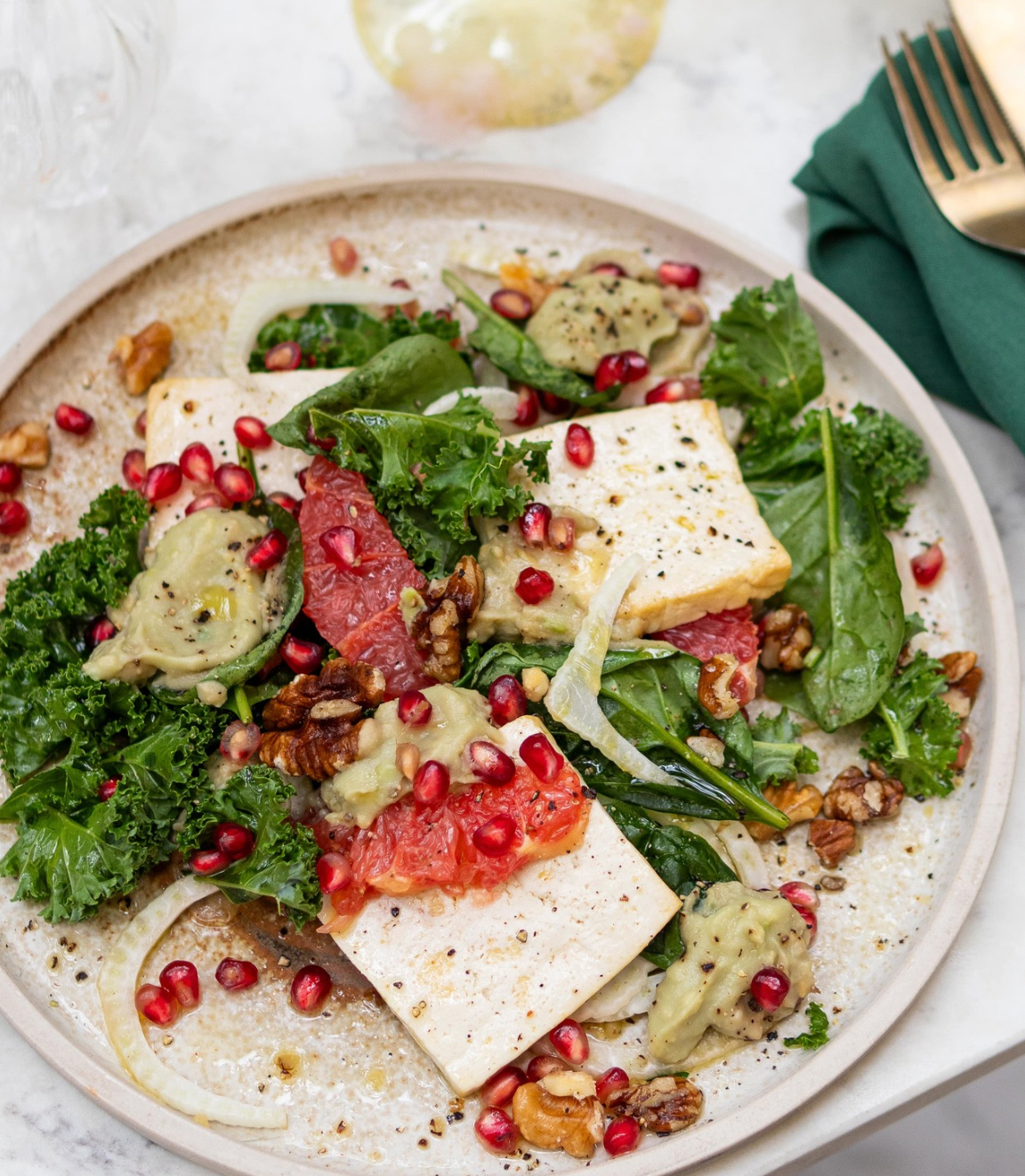
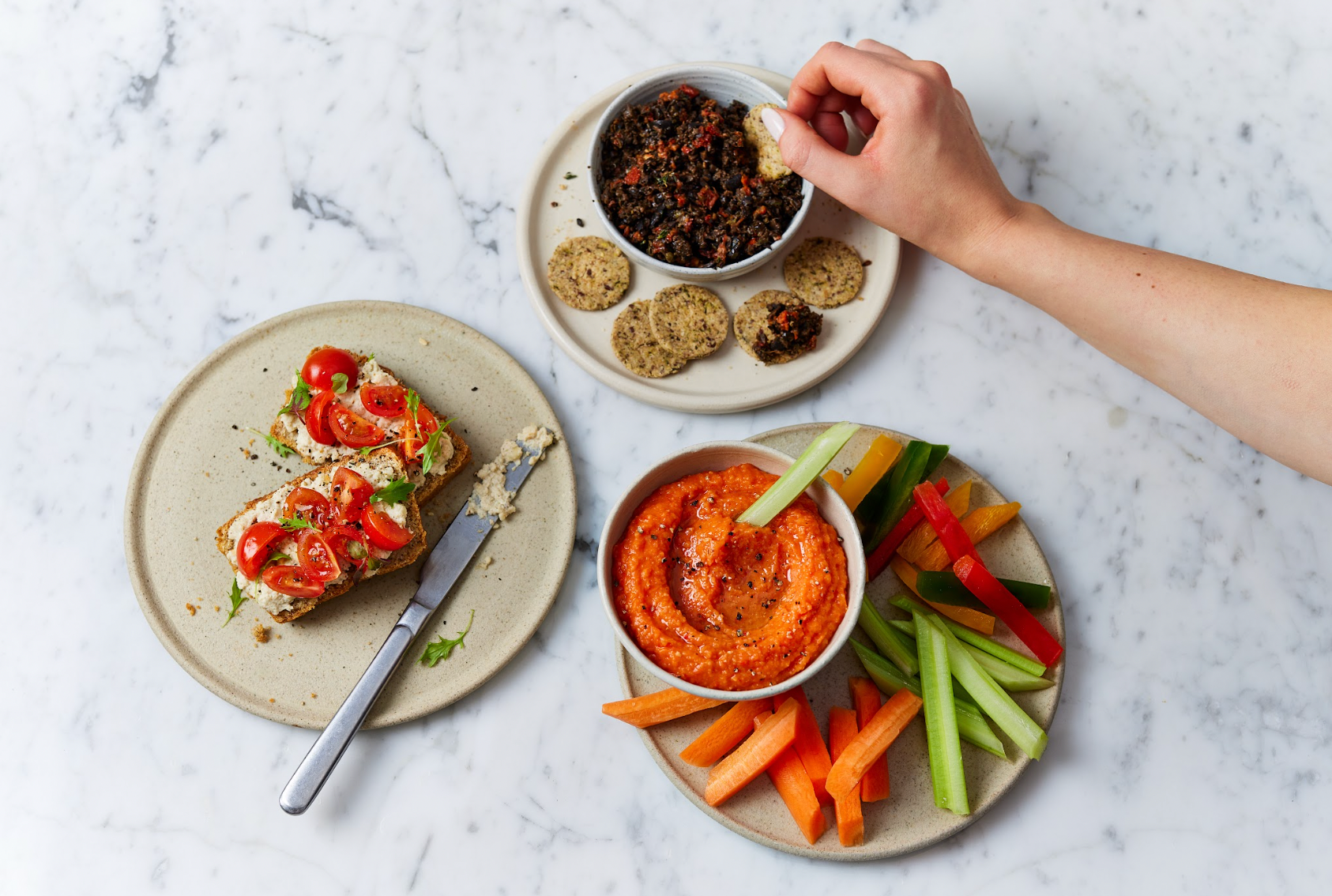
Certain dietary patterns are associated with lower levels of inflammatory markers in population studies. These patterns tend to be high in vegetables, fruits, whole grains, legumes, and unsaturated fats, and lower in ultra-processed foods and high intakes of added sugars.
This is not a specialised or restrictive diet. It is a description of balanced, varied eating patterns observed across multiple populations. The consistency of this pattern is more meaningful than any individual food within it.
What the research actually supports.
Dietary patterns matter far more than individual ingredients. Adding a single so-called superfood to an otherwise unbalanced diet is unlikely to produce measurable changes. What consistently emerges from the research is that overall dietary structure, plant-rich, fibre-forward, and varied, is what shapes long-term outcomes.
Eliminating entire food groups such as gluten, dairy, or nightshades is not supported by strong evidence as a general anti-inflammatory strategy for people without diagnosed medical conditions. In many cases, unnecessary restriction reduces dietary diversity, which may be counterproductive when considering overall nutritional adequacy.
The emphasis is better placed on what is consistently included in the diet, rather than what is excluded.
The role of consistency.
The most effective dietary pattern is the one that can be maintained over time. Approaches that rely on rigid rules or extensive elimination tend to be difficult to sustain, increasing both practical and cognitive burden.
A structured approach to eating, without unnecessary restriction, is often more durable. Over time, it is this consistency that shapes meaningful dietary patterns.
Where Kurami fits.
Kurami meals are designed with these principles in mind. Each meal is developed with nutritionists, with an emphasis on plant diversity, fibre, and balanced macronutrients. Across the weekly menu, this includes over 100 different plant ingredients.
Meals are also low in added sugars and made without artificial additives. We do not position our meals as anti-inflammatory, but they are built around dietary patterns that are consistently associated in research with balanced, varied eating.
A more useful definition.
In practice, so-called anti-inflammatory eating is not a protocol or a fixed set of rules. It is better understood as a pattern of eating that prioritises variety, fibre, and consistency over time.