

Pescatarian eating occupies an interesting nutritional space. It combines characteristics of a plant-rich diet with the advantages of regular fish consumption, particularly omega-3 fatty acids, and a broader range of complete protein sources, and the evidence supporting it is broadly positive.
What pescatarian eating actually involves.
A pescatarian diet excludes meat and poultry but includes fish, seafood, and typically eggs. It is broadly plant-based in its foundation, with fish as the primary animal protein source. How nutritionally complete it is depends, as always, on the variety and balance of what is actually eaten across the week.
When fish provides the primary source of animal protein, the rest of the plate can be built around vegetables, legumes, whole grains, and other plant foods. This tends to produce meals that are higher in fibre, varied in plant content, and nutritionally diverse, which is a genuine strength of this approach.
The nutritional case for fish.
Fish, particularly oily varieties such as salmon, mackerel, sardines, and trout, is one of the richest dietary sources of long-chain omega-3 fatty acids, which are associated with contributions to normal heart function. Fish is also a complete protein source, meaning it contains all essential amino acids. White fish provides lean protein with a lower fat content, while oily fish and shellfish offer a broader range of micronutrients.
Including fish two to three times per week can be a practical way to support omega-3 intake through diet rather than supplementation.
How Kurami approaches pescatarian meals.
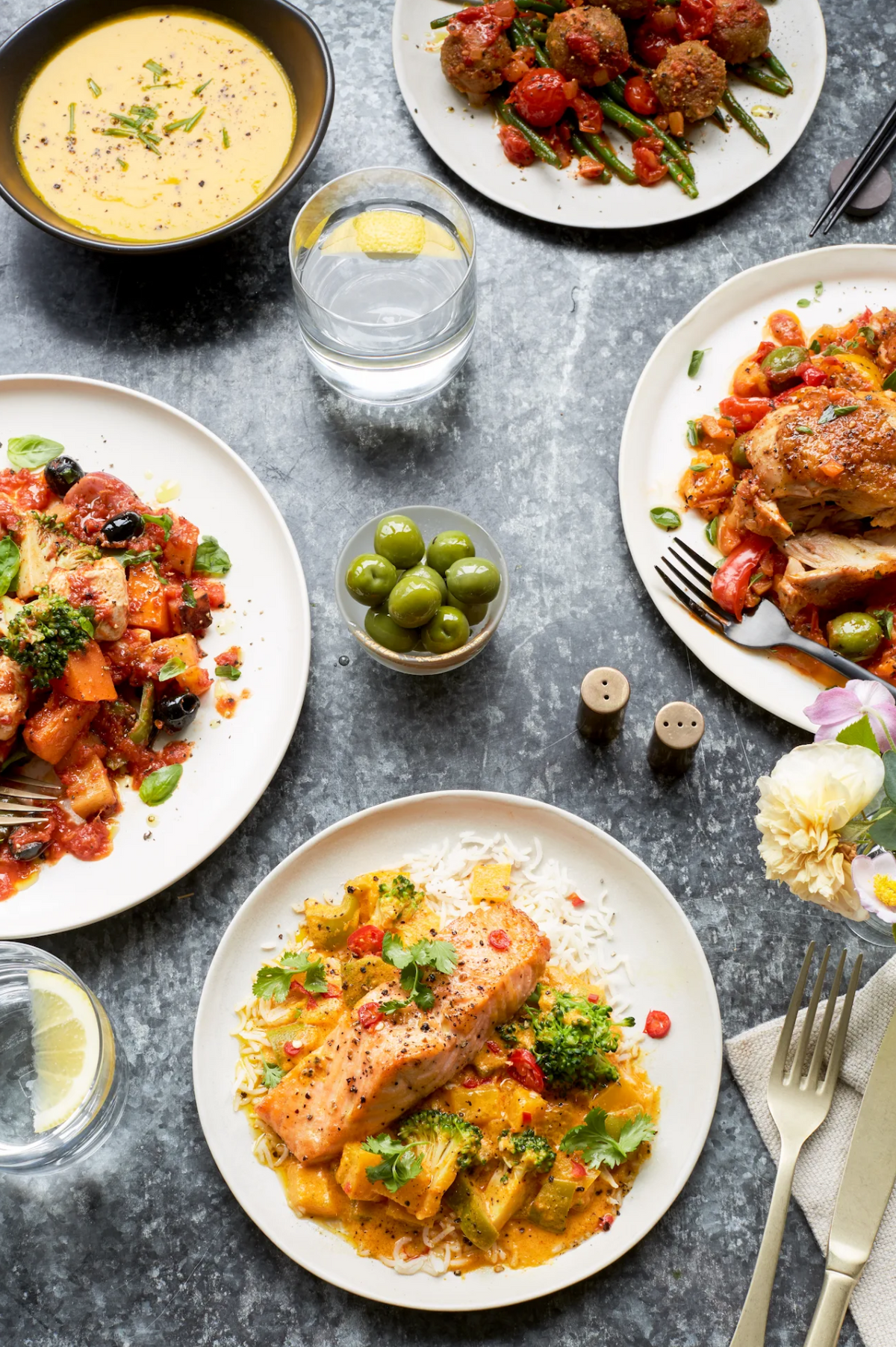
Pescatarian meals at Kurami are nutritionist-designed with the same principles as the rest of the menu: balanced macronutrients, contributes to overall fibre intake, and variety in plant ingredients across the week. We do not treat pescatarian options as a restriction category. They are full meals in their own right, drawing on the same culinary diversity as the broader menu, the same range, quality, and plant variety as any other Kurami plan.
Pescatarian options are available across both our fresh London Mealpath and our nationwide Nourish Now frozen range, all made without gluten and dairy containing ingredients by design.


