

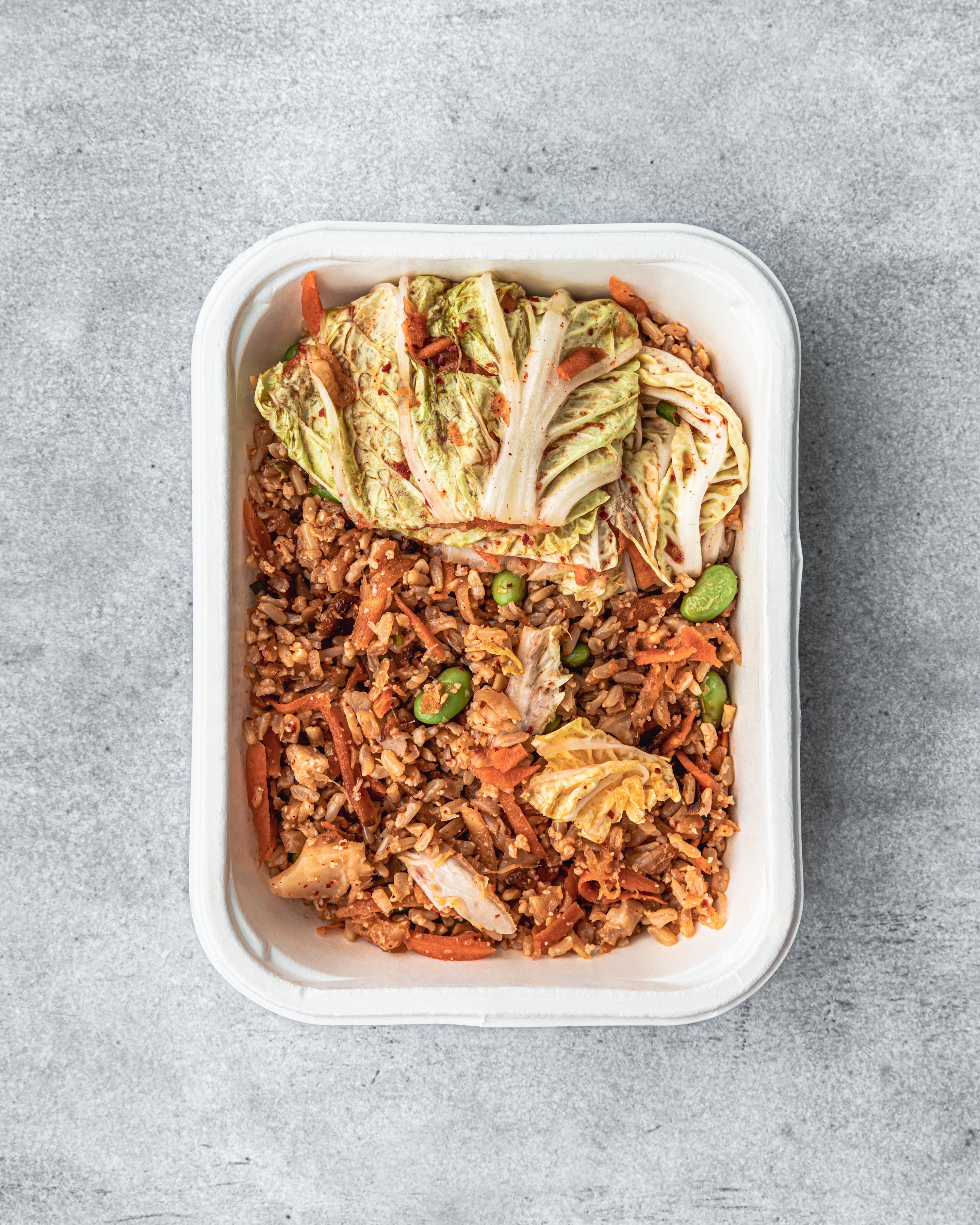
People are sometimes surprised that a cuisine as fermented, garlicky and fibre-rich as Korean food can sit alongside something like a low-FODMAP approach. On the surface, the two seem to be in tension. Korean cooking often uses garlic, onion, fermented pastes and cabbage, several of which can be high in FODMAPs. And yet, many people with digestive sensitivities find they can eat thoughtfully within Korean cuisine more comfortably than they expected.
This is an interesting case study in how restriction-based approaches to eating, however useful clinically, are rarely the whole story.
A quick explanation of FODMAPs.
FODMAP stands for fermentable oligosaccharides, disaccharides, monosaccharides and polyols. These are types of carbohydrate that are poorly absorbed in the small intestine and then fermented by bacteria in the large intestine. For many people, this is normal and can be part of a healthy gut ecology. For some people, particularly those with irritable bowel syndrome, that fermentation can contribute to pain, bloating, gas or altered bowel habits.
The low-FODMAP diet was developed by researchers at Monash University as a structured clinical tool. It has three phases: short-term restriction, systematic reintroduction, and personalisation. It was not designed as a permanent identity or a lifelong list of forbidden foods. Ideally, it is done with a registered dietitian or appropriately trained professional, especially for people with complex symptoms or a history of disordered eating.
Where Korean food fits.
Korean cuisine contains both high- and low-FODMAP elements. That is the first honest answer. Kimchi made with cabbage and garlic may not suit everyone during the elimination phase. Garlic, onion and some fermented pastes can also be triggers for some people. But a Korean meal is not one ingredient. It is a structure.
Plain steamed rice is low-FODMAP. Many namul dishes can be made with vegetables that are generally better tolerated, such as spinach, bean sprouts, courgette or cucumber, depending on portion size and preparation. Grilled fish, seafood, tofu, eggs and meat do not contain FODMAPs in themselves. Seaweed soups, rice porridges and clear broths can be gentle options when the seasoning is adjusted.
The banchan structure also matters. Small portions of several dishes can be easier to manage than a large serving of one trigger-heavy food. That does not make every Korean meal low-FODMAP, but it does show how culinary structure can create flexibility.
Technique matters.
One useful low-FODMAP principle is that the fructans in garlic and onion are water-soluble but not oil-soluble. This is why garlic-infused oil can provide aroma without the same FODMAP load, provided the garlic pieces are removed. The broader point is that technique changes tolerance. Chopping, fermenting, soaking, straining, portioning and seasoning are not just culinary details; they shape how food lands in the body.
This is where traditional cuisines are often more sophisticated than reductionist nutrition gives them credit for. They rarely ask one ingredient to do everything. They use balance, contrast, acidity, spice, softness, starch and small portions to make meals that are rich but not necessarily overwhelming.
The bigger point about restriction.
If you have IBS or significant digestive symptoms, a low-FODMAP process can be genuinely useful for identifying your personal triggers. But the goal is information, not fear. Once triggers are understood, many people can return to a wider and more enjoyable diet than they expected, including foods they thought they had lost.
The anthropological lesson is that traditional cuisines often solve problems through pattern rather than prohibition. Korean eating is an elegant example: rice, small dishes, vegetables, protein, broth, fermentation, and repetition. It allows adjustment without reducing food to a spreadsheet of exclusions.
Why this matters for how we eat.
At Kurami, digestive comfort is part of thoughtful meal design. It should not require blandness, fear or permanent restriction. A well-designed meal can be plant-rich, flavourful and still attentive to portion, texture and tolerance. That is a more humane model than treating sensitivity as a reason to shrink the diet indefinitely.
Camilla Pigozzi Garofalo studied social anthropology and the anthropology of food before founding Kurami, a gut-health meal delivery company focused on plant diversity, balanced nutrition, and sustainable ways of eating. She writes about food culture, eating rituals and the relationship between nutrition and everyday life.
FAQs.
Is Korean food low-FODMAP?
Some Korean foods are low-FODMAP and others are high-FODMAP. Rice, plain proteins, some vegetable side dishes and seaweed soups can be suitable, while garlic, onion, cabbage-based kimchi and some fermented pastes may be limited during the strict elimination phase.
Can I eat kimchi on a low-FODMAP diet?
Kimchi may be tolerated by some people in small portions, but cabbage and garlic can make it higher in FODMAPs. During elimination it may be restricted, then tested during reintroduction depending on personal tolerance.
Is the low-FODMAP diet meant to be permanent?
No. It is intended as a structured process with restriction, reintroduction and personalisation. It should not become a permanent unnecessarily restrictive diet.
1. Monash University FODMAP Diet: the three phases of the low-FODMAP diet.
3. Monash University FODMAP Diet: order of FODMAP reintroduction, 2025.