
Wondering why you always feel bloated on holiday? Discover the causes of travel bloating, why flying can affect digestion, and simple ways to support your gut.
Looking forward to your holiday, but not the bloating?
You finally arrive at your destination, ready to relax and enjoy yourself. But somewhere between the airport lounge and your first evening meal, your stomach feels uncomfortable, tight, and noticeably more bloated than usual. Sound familiar?
Travel bloating is common and can happen even when you are feeling otherwise healthy. Let us explore why holiday bloating happens, what role flying plays, and how you can support your gut while travelling.
Why Does Travel Cause Bloating?
Travelling introduces several changes that can affect digestion and how your body feels. From disrupted routines and altered meal times to changes in hydration and sleep, your digestive system suddenly has a lot to adapt to.
Some of the most common contributors to holiday bloating may include:
-
Changes in eating habits.
-
Reduced movement during travel.
-
Dehydration.
-
Increased sodium intake.
-
Changes in sleep patterns.
-
Stress associated with travel.
-
Flying and cabin pressure.
-
Altered meal timing.
While these changes are often temporary, they can leave you feeling uncomfortable and sluggish.
Why Do Planes Make You Feel Bloated?
One of the biggest culprits behind holiday bloating can begin before you even land.
Cabin Pressure Can Cause Gas Expansion.
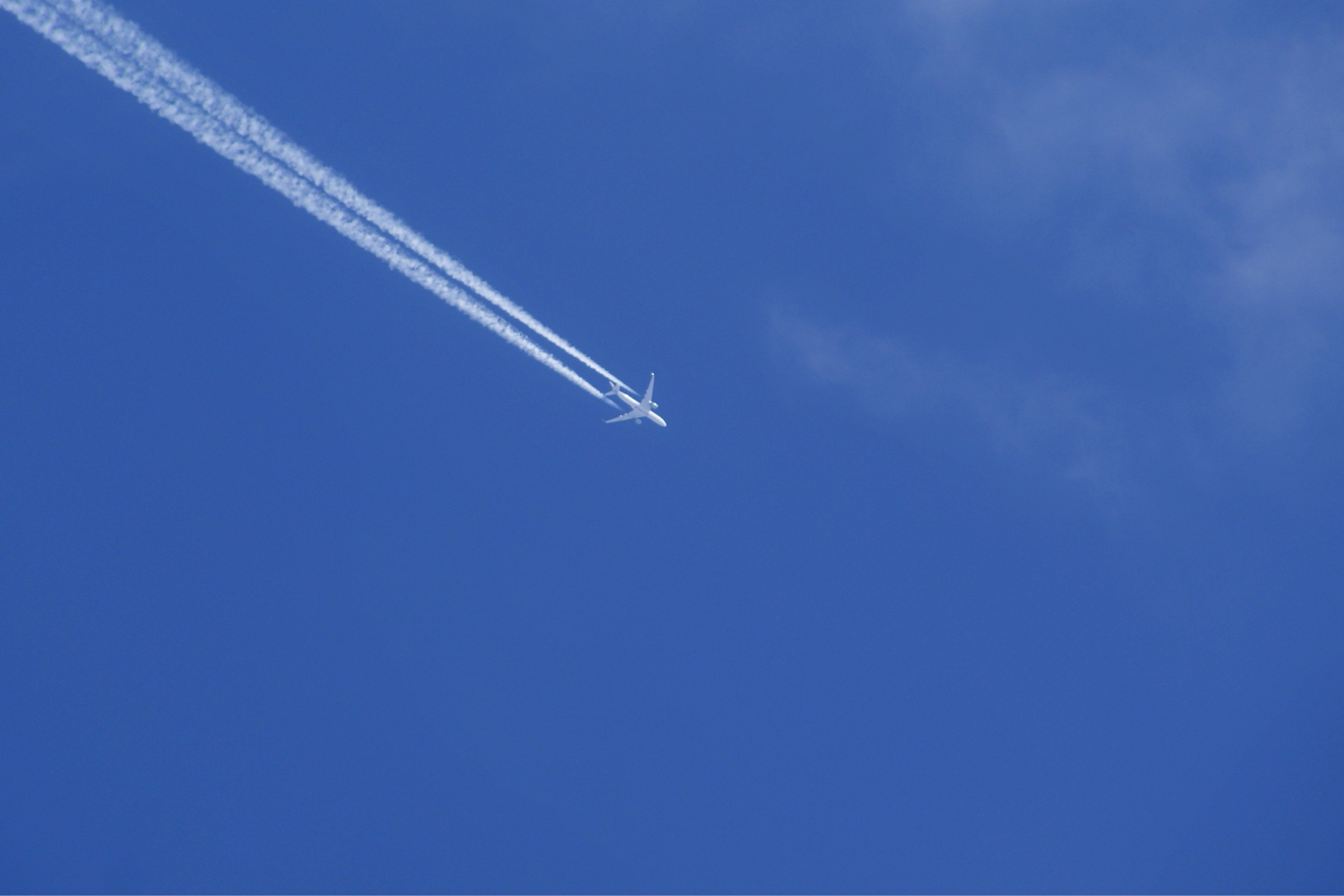
Aircraft cabins are pressurised, but not to the same level as sea level.
As cabin pressure changes during flight, gases within your digestive system can expand. This is a completely normal physical response and can make you feel fuller, puffier, or more bloated than usual. For some people, this effect can be surprisingly noticeable on longer flights.
Sitting for Long Periods Slows Digestion.
Hours spent sitting in airports and on planes means less movement than your body is accustomed to.
Movement naturally supports digestion and healthy gut motility. When you are sitting for extended periods, digestion may feel slower, which can contribute to feelings of bloating and discomfort.
Flying Can Increase Dehydration.
Aeroplane cabins are known for their low humidity levels. Combined with travel stress, coffee, alcohol, and inadequate water intake, it is easy to become mildly dehydrated during flights. Hydration plays an important role in digestive comfort and overall gut function.
Airport Habits That May Contribute to Bloating.
Airports are not always designed for digestive wellbeing. Early flights, rushed meals, and limited food options can all disrupt normal eating habits.
Simple Airport Tips for a Happier Gut.
While you cannot control cabin pressure, there are a few things you can do to help support your digestion before take-off.
Hydrate Before You Board.
Start hydrating before your flight rather than waiting until you are already in the air. Try to carry a reusable water bottle and refill it after security.
Prioritise Fibre and Protein.
If possible, choose meals that include:
-
Fruit.
-
Vegetables.
-
Nuts.
-
Seeds.
-
Yoghurt.
-
Eggs.
-
Legumes.
These foods can help support satiety and digestive wellbeing during travel.
Move Whenever You Can.
Walk through the terminal, take the stairs, and stretch before boarding - even small amounts of movement can support circulation and digestion.
The Gut Microbiome and Travel.
Your gut microbiome thrives on consistency; travel often introduces:
-
Different meal times.
-
Different sleep schedules.
-
Different stress levels.
While this does not necessarily harm your microbiome, it can temporarily influence digestion and how your gut feels. Maintaining some familiar habits while travelling, such as staying hydrated, eating a variety of plant foods, and prioritising sleep where possible, can help support digestive comfort.
Remember: Bloating does not mean you have Done Anything Wrong.
One of the biggest misconceptions about bloating is that it means you have eaten the "wrong" foods. At Kurami, we don't believe in "right" or "wrong" foods, only delicious, nourishing meals that support both enjoyment and wellbeing.
A little extra bloating does not mean you have undone your nourishing habits, it simply means your digestive system is responding to change.
When You Return Home.
Returning home can be the perfect opportunity to gently reconnect with the habits that help you feel your best.
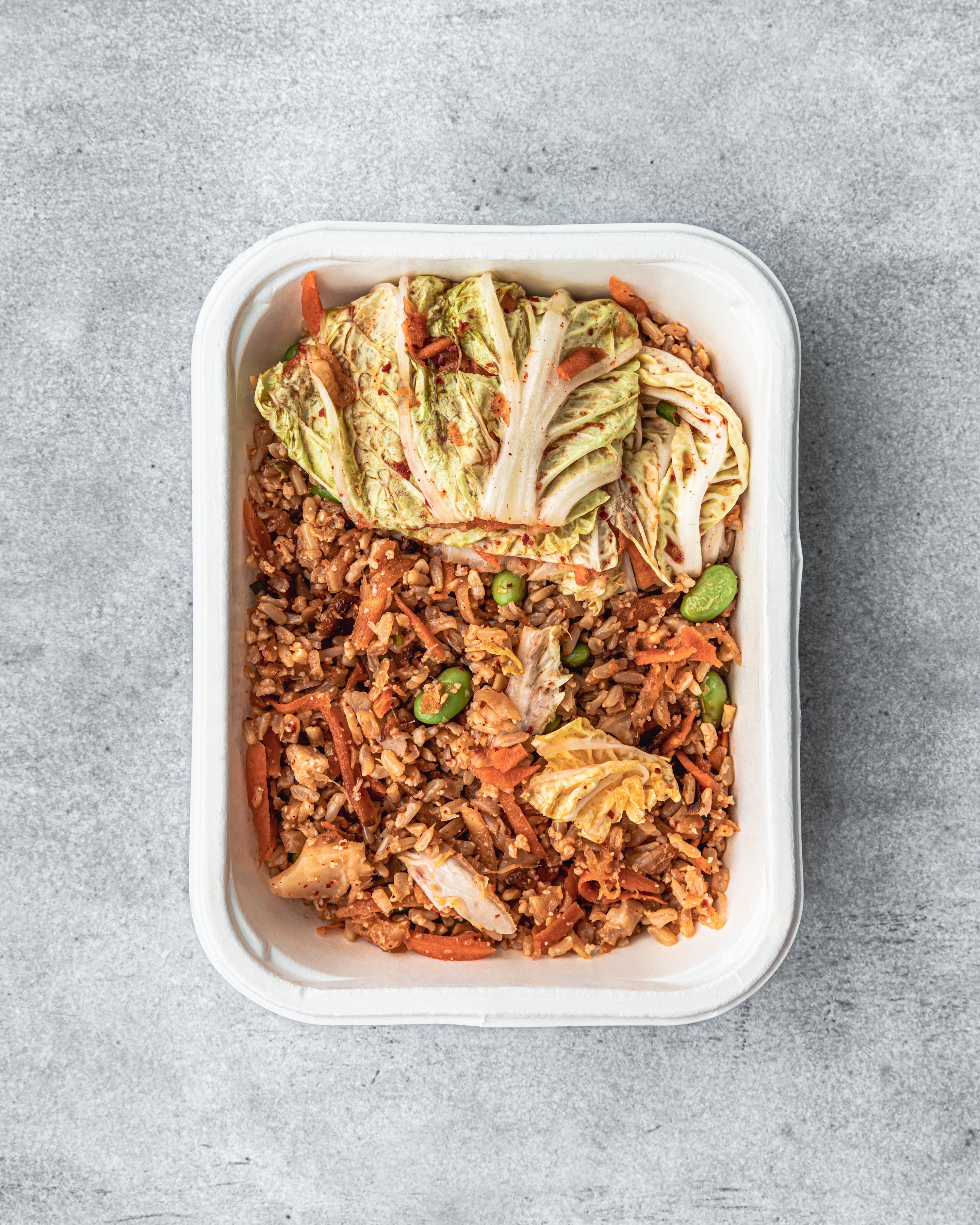
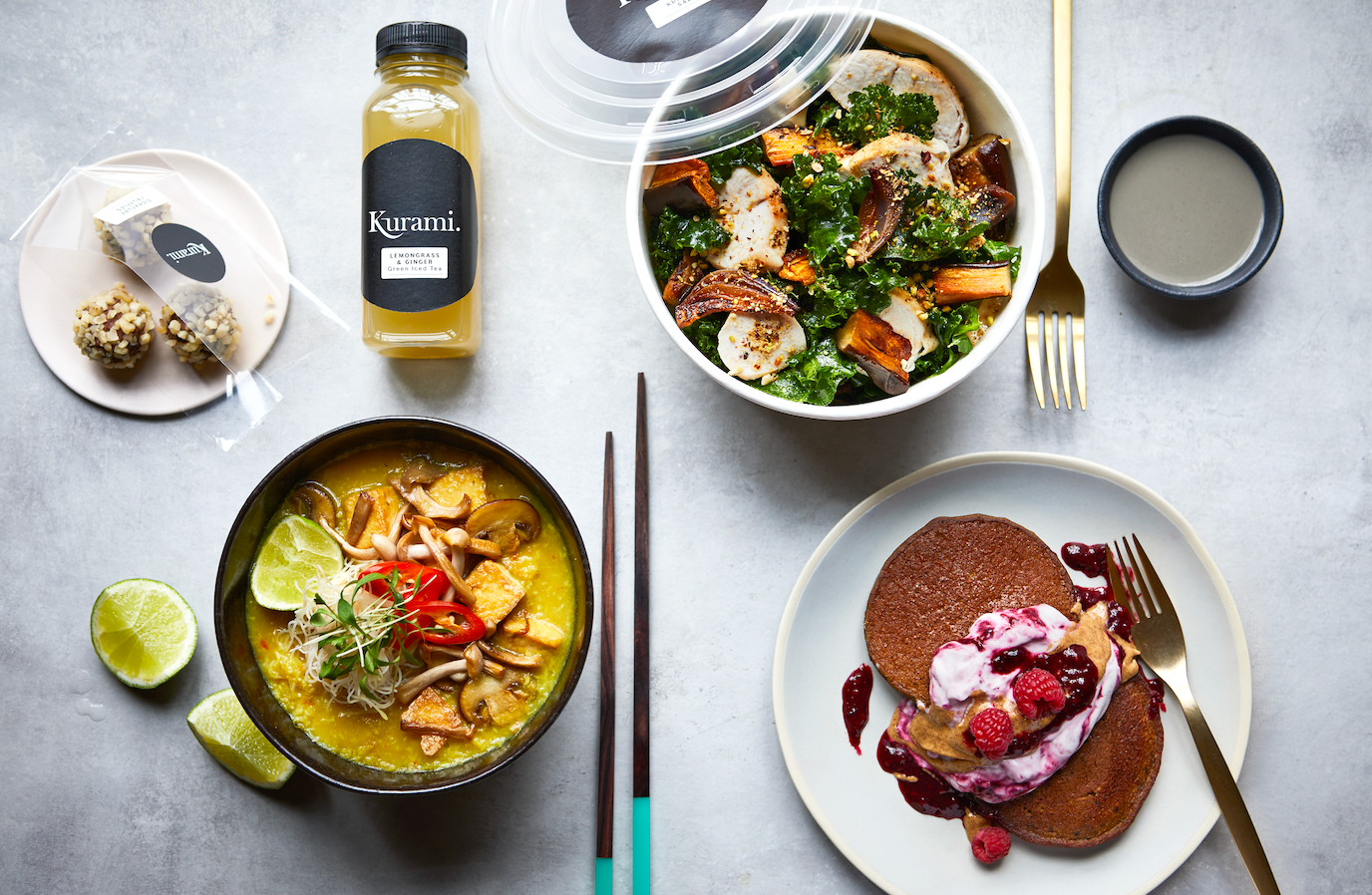
Kurami's Meal Paths and Nourish Trays make it easy to reintroduce balance after travel with nutrient-dense meals designed to support both nourishment and gut health. Packed with diverse plant foods, quality proteins, healthy fats, and fibre-rich ingredients, they provide a simple way to support your microbiome and help you feel energised after time away.
FAQS.
Why do I get bloated when I fly?
Changes in cabin pressure can cause gases in the digestive system to expand, while prolonged sitting and dehydration can further contribute to bloating during flights.
How do I reduce bloating when travelling?
Staying hydrated, moving regularly, eating fibre-rich foods, and avoiding excessive alcohol and carbonated drinks may help support digestive comfort while travelling.
Can flying affect digestion?
Yes. Reduced movement, dehydration, disrupted routines, and cabin pressure changes can temporarily affect digestion and contribute to bloating.
What foods can help reduce bloating on holiday?
Feeling a little more bloated while travelling is completely normal. Changes to your routine, meal timings, activity levels, hydration and even time zones can all influence digestion. Rather than worrying about what to avoid, focus on supporting your gut with simple habits like staying hydrated, moving your body, eating regular meals and enjoying a wide variety of plant-rich foods.
How can Kurami support my gut health after a holiday?
Kurami's Meal Paths and Nourish Now Trays provide a convenient way to return to nourishing habits after travel. Designed with gut health and balanced nutrition in mind, they make it easier to support your microbiome and feel your best without restrictive diets or complicated meal planning.