
By Camilla Pigozzi Garofalo.
Let's say that I have spent quite a long time in Olive Young over the years.
Usually, I am looking at skincare. This time, in Seoul, I found myself paying much more attention to the wellness shelves. Not because wellness is new to Korea: it is not. Korea has long had a rich culture of functional jellies, herbal preparations and teas, with traditional tea culture often organised around wellbeing, whether for sleep, women’s health, digestion or relaxation. What struck me was not a shift towards wellness, but a renewed focus on it, and an effort to make these traditions more accessible and approachable, particularly for international audiences. One visible example is Olive Young’s Olive Better concept, which has recently launched in Seoul with dedicated wellness-focused spaces.
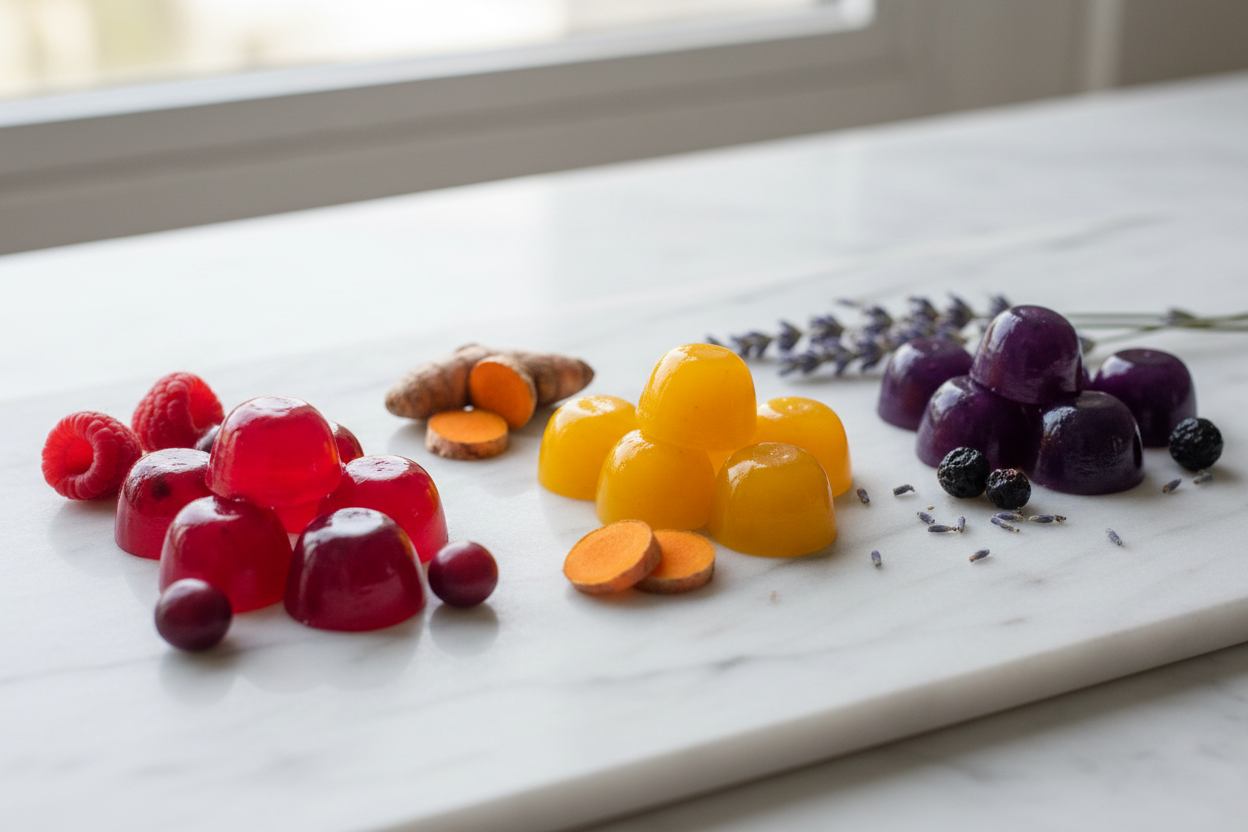
There are collagen jellies, vitamin gummies, functional teas, protein snacks, sachets designed to be mixed into water, and small edible products positioned around sleep, skin, digestion, energy and appetite. There were blueberry-flavoured lutein gummies, with ingredients such as marigold flower extract and beta-carotene. There were products with banana flower, framed around sugar metabolism. There were pouches, sticks, cubes, and gummies that looked more like confectionery than the supplements many of us grew up recognising.
What struck me was not simply the number of products, but rather, how edible care had become.
A few years ago, supplements still looked like supplements. A bottle. A capsule. A tablet. Something vaguely medical, usually kept in a bathroom cabinet or kitchen drawer, taken quickly and without much pleasure attached.
Now, especially in Korea, the supplement has become something else. It has become softer, prettier, more portable, more sensorial. It belongs in a handbag, on a desk, beside skincare, next to tea, or in the small space between lunch and the rest of the afternoon. It is not hidden away. It is designed to be chosen, tasted and repeated, and perhaps that is why I find it so interesting.
Korea has always been an important place to watch for beauty and wellness retail, but the opening of Olive Better, Olive Young’s wellness-focused concept store in Seoul, makes this shift feel especially visible. The space brings together vitamin gummies, collagen gummies, melatonin gummies, protein snacks, functional teas, water-mix vitamins and wellness foods in a way that feels much closer to modern lifestyle retail than to a pharmacy.
It would be easy to be dismissive of this and say that wellness has simply turned supplements into sweets. However, I think that misses the more interesting question.
Why has the supplement become so edible?
When supplements become snacks.
The supplement jelly is a very contemporary object because it sits at the intersection of categories. It is not quite a sweet, not quite a supplement, and not quite a functional food. That ambiguity is part of its appeal.
A capsule asks very little of the senses. A jelly asks more. It has flavour, colour, texture, packaging and ritual. It makes the act of taking something functional feel less clinical and more like a small daily pleasure.
That matters because humans rarely sustain habits through information alone. We sustain them through repetition, convenience and some degree of sensory reward. A jelly is easier to remember than a tablet. A pouch feels less medicinal than a bottle. A gummy sits more comfortably inside everyday life than a supplement routine that feels like another task.
This is not necessarily superficial. It is part of a wider shift in wellness away from the idea of health as purely corrective and towards health as folded into ordinary consumption. The functional snack is one expression of that.
Korea and the edible beauty continuum.
Korea is an especially interesting place to observe this because the boundary between beauty, food, and well-being has long been more porous than in many Western markets.
That does not mean we should flatten Korean food culture into beauty culture. That would be far too simple and not fair. But there is a long cultural familiarity with the idea that what is consumed can influence how one feels, looks, recovers, digests, rests or ages.
From ginseng drinks to herbal tonics, fermented foods, collagen products, beauty drinks and now supplement jellies, there is a continuum between inner care and outer appearance that Western wellness has only recently learned to market with the language of “inside-out beauty.”
In Korea, that relationship has become highly developed, highly aestheticised and highly commercial. A supplement jelly is not a traditional food. It is not medicine in the older sense. It is not quite confectionery either. It is a modern retail object that borrows from all three, and that ambiguity is precisely what makes it interesting.
The body, made convenient.
There is also a more complicated question here.
Many of these products are not just about general well-being. They are often organised around highly specific ideas of the body: eye health, skin elasticity, sleep, appetite, blood sugar, digestion, bloating, metabolism and body shape. This is where the conversation becomes delicate.
There is nothing wrong with wanting support. Modern life is tiring. Eating well is not always simple. Small products that make health routines more accessible can be genuinely helpful. But the body is increasingly being divided into functions to be managed.
The eyes need lutein. The skin needs collagen. The gut needs probiotics. Appetite, digestion, sleep, and energy each have their own product language. Gradually, the body becomes a collection of functions, each attached to its own solution.
As someone who runs a wellness brand, I think about this a lot. One of the core ideas behind Kurami is reducing decision fatigue. Most people already make hundreds of food-related decisions every day, and health can quickly start to feel like another endless series of choices, products and protocols to manage.
This is where highly targeted supplements sit in an interesting and sometimes uncomfortable place. On one hand, dividing the body into ever more specific needs can encourage us to think of health as a collection of separate problems to solve. On the other, there is something genuinely empowering about being able to say, "I want to support my eyes," or "I want to focus on this particular aspect of my wellbeing."
The bigger question is whether these products actually deliver what they promise, and whether the dosage and formulation are sufficient to produce the benefits people are hoping for. That is a separate conversation entirely.
What interests me here is the tension itself: between simplifying health and endlessly optimising it, between trusting broader habits and seeking increasingly specific solutions. Modern wellness often lives exactly in that space, and that is worth thinking about.
Filling, lightness and the modern appetite.
The other reason these jellies are culturally interesting is that many of them sit close to appetite.
Some are positioned around satiety, sugar, digestion or body management. They are small, sweet, controlled, portioned and functional. They offer the sensation of having something, but often with the promise that the something is also doing something. That is a very modern food idea.
It speaks to a culture in which eating is rarely just eating. A snack is no longer only a snack. It might be protein. Fibre. Collagen. Beauty. Gut support. Blood sugar balance. Sleep. Energy. Fullness.
Sometimes that can be useful. A functional food can genuinely help someone build a routine or fill a nutritional gap. It can make care feel less austere. But it also reveals how uncomfortable modern culture has become with pleasure existing without explanation.
A jelly is allowed to be sweet because it contains something functional. A snack is allowed because it has an attached claim. Pleasure is not removed from modern wellness. It is reformatted into usefulness.
What this says about modern wellness.
The supplement jelly market is not just a product category. It is a sign of where wellness is going: smaller, softer, more sensorial, more portable, more beautiful, more emotionally appealing. Less like medicine, more like lifestyle.
In one sense, that is a good thing. Health should not feel punitive, and there is something genuinely intelligent about making supportive habits easier and more pleasurable.
But the anthropological question is: what happens when every small act of care becomes a product?
A jelly after lunch. A tea before bed. A gummy for the skin. A pouch for energy. A sachet for digestion. A stick for blood sugar. The day becomes a sequence of tiny interventions.
Some may be useful. Some may be delicious. Some may be beautifully designed. But taken together, they suggest something larger: that modern consumers are increasingly being invited to manage the body in fragments.
Wellness is no longer only about the meal, the walk, the night of sleep, the rhythm of the week. It is also about the micro-product. The small edible correction. The daily functional object.
What Kurami takes from this.
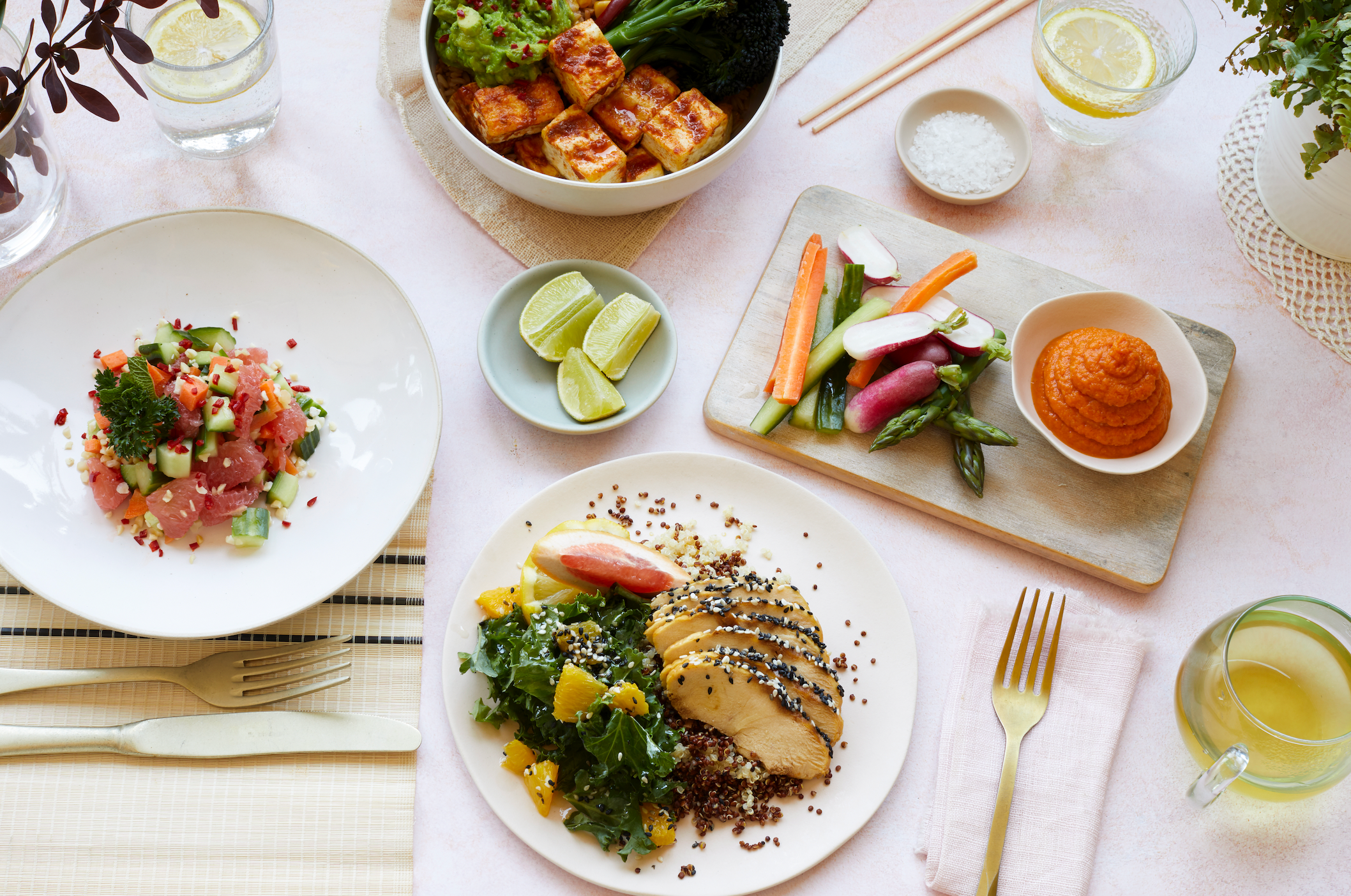
At Kurami, we are interested in food as support, but also in food as rhythm. That distinction matters.
I understand the appeal of the supplement jelly. There is something fascinating about the way Korea has made functional food feel playful, beautiful and easy to fold into daily life. It is inventive. It is culturally specific. It is also, in many ways, ahead of where Western wellness retail is going. But I also think the meal still matters.
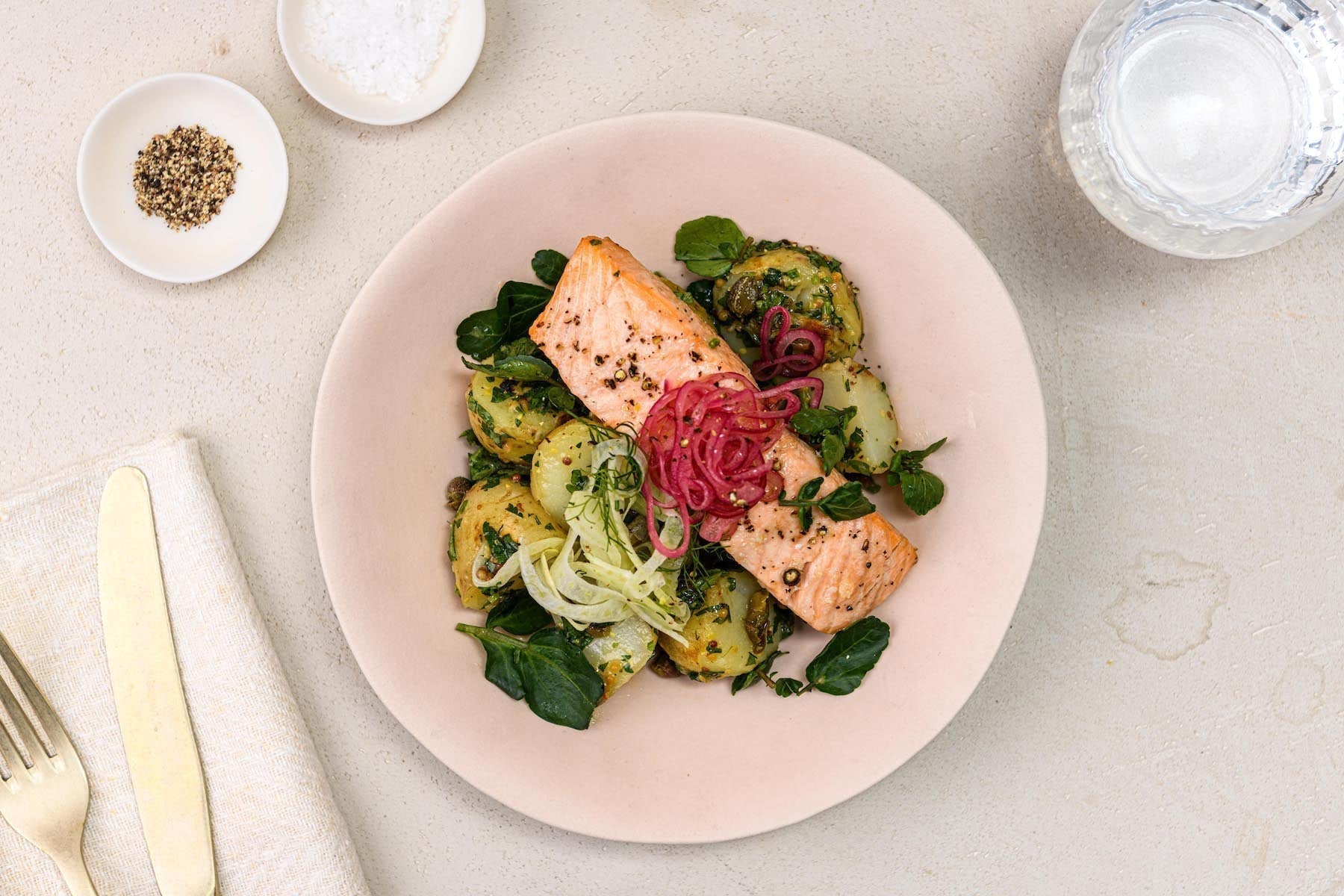
Not because every act of nourishment needs to be traditional, whole-food-only, or untouched by modernity. That would be unrealistic and, frankly, not very fun. But because meals offer things that smaller wellness products are not really designed to provide: satiety, texture, pleasure, sociality, memory, plant variety. The feeling of having eaten. The sense of being fed.
A jelly can be useful. A gummy can be clever. A tea can become a beautiful ritual. They can all have a place in how people look after themselves. I just think it is worth remembering that they serve a different role from a meal, rather than the same one in a more convenient format.
The more interesting future is one where function and pleasure are returned to food itself. Where nourishment feels considered, but not clinical. Where the body is supported, but not constantly corrected. Where convenience helps us eat better, rather than making us feel we must manage ourselves more precisely.
The challenge is not whether functional products belong in modern life. Clearly, they do. The question is whether they help us feel more supported or simply more responsible for constantly managing ourselves. That is the line I keep coming back to. Support, not surveillance. Ritual, not correction.
Food that helps us live, not food that turns the body into an endless project.
Camilla Pigozzi Garofalo studied social anthropology and the anthropology of food before founding Kurami, a gut-health meal delivery company focused on plant diversity, balanced nutrition, and sustainable ways of eating. She writes about food culture, eating rituals and the relationship between nutrition and everyday life.
FAQs.
What are Korean supplement jellies?
Korean supplement jellies are functional foods, often sold as gummies, pouches or jelly sticks, that combine supplement-style ingredients with a snack-like format. They may be positioned around beauty, energy, sleep, digestion, eye health, skin, appetite or general wellbeing.
Why are supplement gummies and jellies so popular in Korea?
They fit naturally into Korea’s highly developed beauty and wellness retail culture, where food, skincare, self-care and functional ingredients often overlap. They are also convenient, portable and sensory, making supplement routines feel less clinical and easier to repeat.
Are supplement jellies the same as sweets?
Not exactly. They may taste sweet or have a confectionery-like texture, but they are usually marketed as functional products with added ingredients such as vitamins, collagen, plant extracts, probiotics or other nutrients. The important point is that they sit culturally between food, supplement and lifestyle product.
Are Korean supplement jellies healthy?
It depends on the product, the ingredients, the dose and the person using them. Some may be useful as part of a wider routine, but they should not be understood as replacements for a varied diet, adequate meals, sleep, movement or personalised medical advice where needed.
What do Korean supplement jellies reveal about modern wellness culture?
They show how wellness is becoming more edible, aesthetic and convenient. They also reveal a cultural shift towards micro-products that promise to support specific parts of the body, from skin and eyes to appetite, sleep and digestion. This can be helpful, but it also raises questions about whether modern wellness is supporting the body or encouraging us to manage it in ever smaller fragments.