
Updated May 2026.
After antibiotics, the most useful nutrition steps are usually simple: return to regular meals, include a variety of fibre-containing plant foods, add fermented foods if you tolerate them, and speak to a pharmacist or GP if you are considering a probiotic for antibiotic-associated diarrhoea. Antibiotics are often necessary and important. The aim is not to undo them, but to support your gut while your microbiome adapts.
What antibiotics can do to the gut
Antibiotics work by targeting bacteria responsible for infection. Some antibiotics are broad-spectrum, which means they can also affect bacteria that normally live in the gut. The extent of this effect varies depending on the antibiotic, the length of the course, your health status, diet, medication history and baseline microbiome.
How long does gut recovery take?
There is no single timeline. Some people feel back to normal quickly, while others notice changes in bowel habits for several weeks. Research suggests the microbiome is resilient, but recovery is individual and can vary by antibiotic type. This is why the most responsible approach is steady support rather than a promise to “restore” the gut within a fixed number of days.
Step 1: rebuild regular nourishment.
Start with meal rhythm. Antibiotics, illness and stress can all disrupt appetite. Regular meals help re-establish a normal eating pattern, which is particularly important if you have eaten less during illness. Include protein, carbohydrates, fats and cooked vegetables rather than relying only on soups, juices or very light foods.
Step 2: include fibre from different plant foods.
Fibre-containing foods provide substrate for gut bacteria. The UK adult recommendation is 30g of fibre per day as part of a healthy balanced diet, while EFSA considers 25g per day adequate for normal bowel function. After antibiotics, do not jump from low fibre to very high fibre overnight. Build gradually with oats, lentils, beans, vegetables, fruit, nuts, seeds and wholegrains.
Step 3: consider fermented foods.
Fermented foods such as live yoghurt, kefir, kimchi, sauerkraut, miso and tempeh can add variety and, depending on the product, live microbes. They are not a guaranteed treatment and not every fermented food contains live cultures by the time it is eaten. Still, for many people, they can be a useful part of a varied diet.
Step 4: be thoughtful with probiotics.
Some probiotic strains have been studied for antibiotic-associated diarrhoea, including Saccharomyces boulardii and selected Lactobacillus strains. The evidence is not the same for every product, every strain or every person. If you are taking antibiotics, especially if you are immunocompromised, pregnant, elderly, taking complex medication or have a central line, speak to a pharmacist or GP before starting a probiotic. If advised to use one, it is commonly taken at a different time of day from the antibiotic dose.

Where Kurami fits
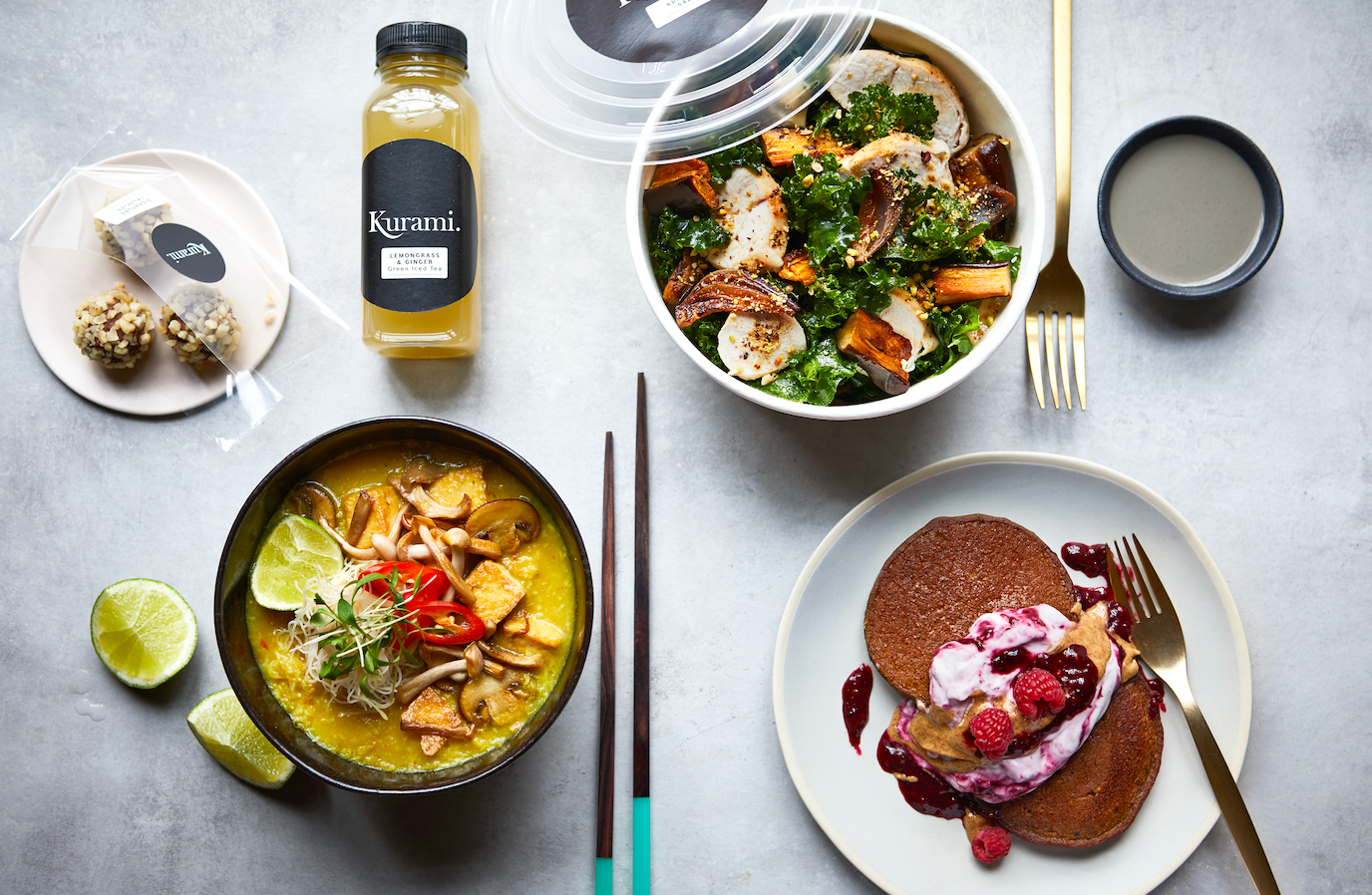
Kurami can make this period easier because the food is already structured around varied plants, considered protein, fibre-conscious ingredients and balanced meals. It is not medical treatment, but it can reduce the decision fatigue of rebuilding a nourishing rhythm after illness.
FAQs
Should I take probiotics after antibiotics?
Some people may benefit, particularly in relation to antibiotic-associated diarrhoea, but product and strain matter. Ask a pharmacist or GP for advice if you are unsure.
What should I eat first after antibiotics?
Start with easy, balanced meals: cooked vegetables, oats, rice or potatoes, eggs or fish if you eat them, lentils or beans in modest portions, olive oil and live yoghurt or kefir if tolerated.
Can food restore the microbiome?
Food can support the conditions for a resilient gut microbiome, but “restore” is too simplistic. The microbiome is dynamic and influenced by diet, medication, sleep, stress, age and health status.
Written by the Kurami Team.
References:
- NHS. Probiotics.
- British Dietetic Association. Probiotics and gut health.
- Wastyk HC et al. Gut-microbiota-targeted diets modulate human immune status. Cell. 2021.
- McFarland LV. Meta-analysis of probiotics for the prevention of antibiotic associated diarrhoea. American Journal of Gastroenterology. 2006.
- Lozupone CA et al. Diversity, stability and resilience of the human gut microbiota. Nature. 2012.