
Collagen has become a central focus in modern wellness. Powders, drinks, and supplements often promise the same outcomes: improved skin, stronger hair, and supported joints.
What Happens When You Eat Collagen.
Collagen is a form of protein; like all proteins, it is broken down during digestion into individual amino acids.
These amino acids are then used where the body needs them most. This is a natural and efficient process, but it is often misunderstood.
Collagen is not directed specifically to the skin, hair, or joints. Rather than focusing on a single ingredient, a more balanced approach considers the wider dietary pattern.
The Mediterranean way of eating offers a gentle and sustainable framework. It emphasises whole foods, variety, and nutrient-rich combinations that support the body’s natural processes.
To produce collagen, the body relies on key nutrients:
-
Vitamin C.
-
Zinc.
-
Copper.
-
Adequate, balanced protein intake.
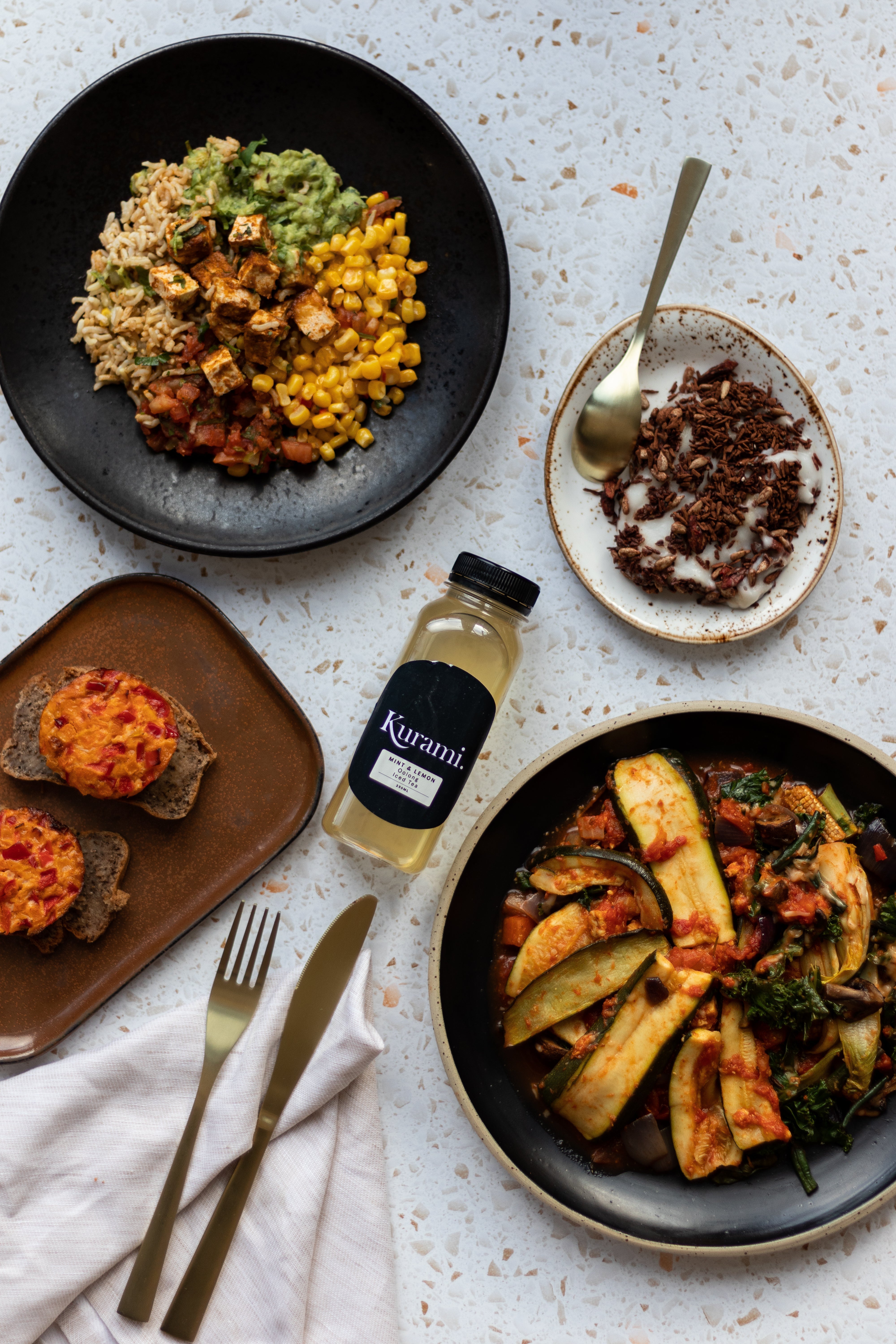
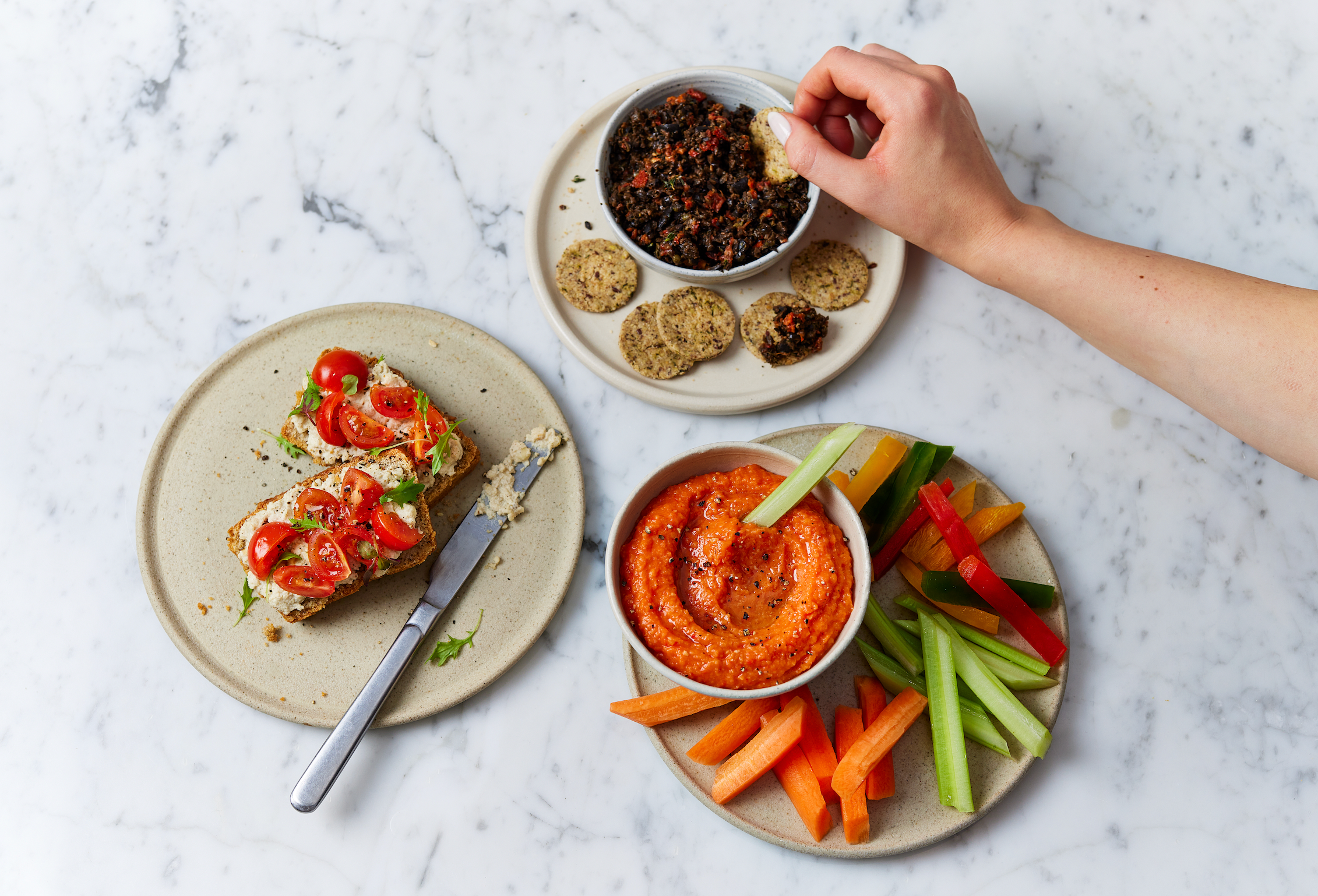
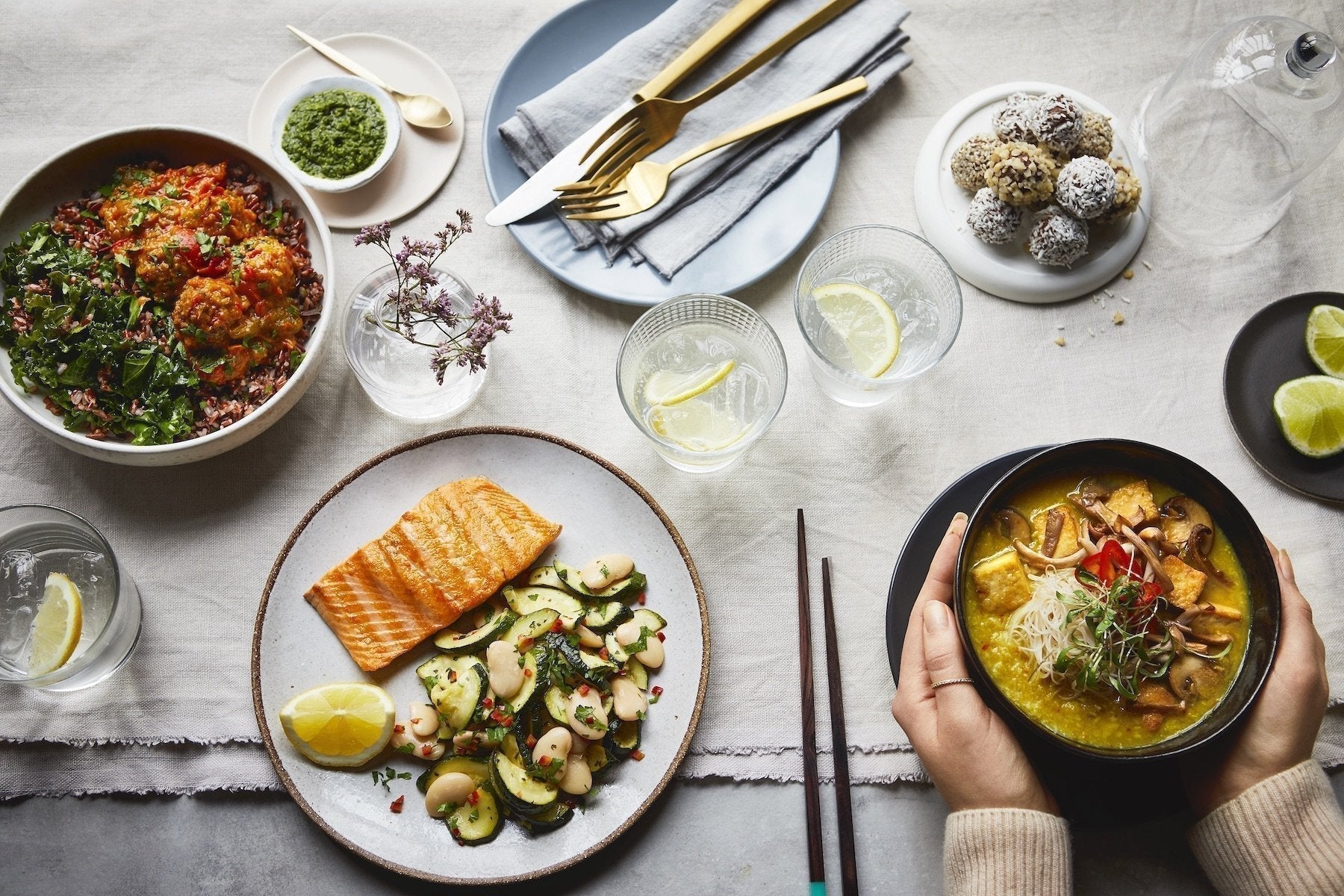
These nutrients are found across a range of everyday foods such as citrus fruits, leafy greens, legumes, nuts, seeds, and whole grains.
It is this diversity, rather than any single addition, that plays a role in maintaining long-term skin and tissue health.
The Bigger Picture.
Collagen production does not rely on one product. This process reflects how you eat over time, meals that are bountiful with plants, proteins, healthy fats and carbohydrates can help to:
-
Support the body’s own collagen synthesis.
-
Maintain skin and tissue integrity.
-
Improve overall health and wellness.
At Kurami, we focus on meals that work in harmony with the body.
Our approach is to:
-
Support natural collagen production through whole ingredients.
-
Deliver a wide spectrum of vitamins and minerals.
-
Build meals around balance, not quick fixes.
Ready to try? Discover our Mealpaths and Nourish Now Trays today.