
By Camilla Pigozzi Garofalo
When we first saw the story about Norway bringing its own food to the World Cup, we understood why people were talking about it, not because it was shocking, but because it touched on something that is actually much more interesting than the headline suggested.
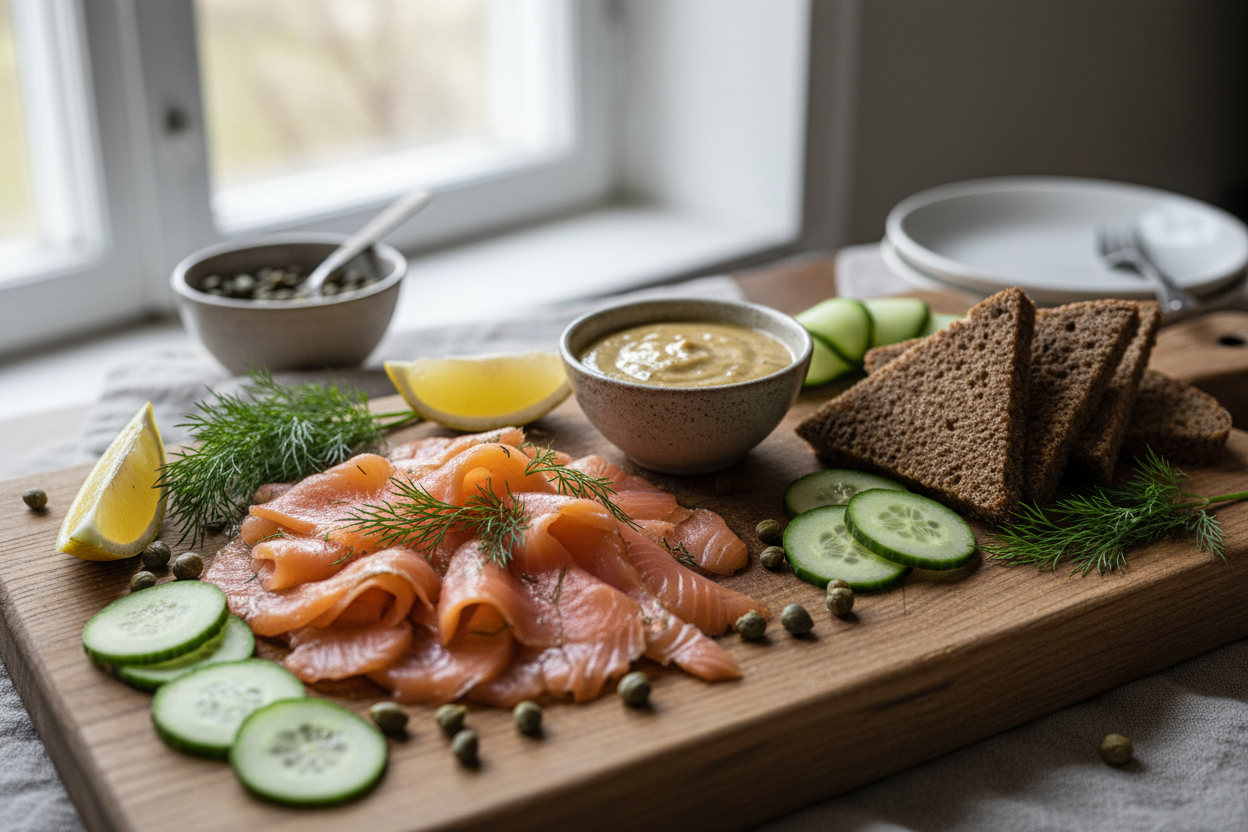
The Norwegian team travelled to the United States with familiar foods from home: salmon, trout, halibut, brown cheese and Jarlsberg. Very quickly, the internet turned it into a slightly dramatic story about Norway not trusting American food, which of course is the kind of version that travels fastest, but I think it also misses the more human point.
The question is not really whether American food is good or bad, because that is too simplistic, and not particularly generous either. The better question is why a national team, travelling for one of the most important sporting events in the world, would choose to bring so much of its own food with it. To us, the answer is care.
At elite level, food is not an afterthought, and it is not something you simply work out once you arrive. It is part of the whole performance environment: training, sleep, digestion, recovery, timing, routine, emotion, comfort, and the small but powerful sense that the body knows what is happening to it. A piece of salmon is not just a piece of salmon.
For Norway, it is landscape, cold water, national identity, memory, a food system they know and trust, and a taste that feels familiar in the body. It is protein and omega 3, of course, but it is also home.
That is what is beautiful about this story. We often talk about food in such a flat way now, especially in the wellness world. Protein, carbohydrates, fats, fibre, calories, omega 3, hydration, electrolytes. All of these things matter, particularly for athletes, and I would never pretend that nutrition is only poetry when someone is preparing for a World Cup quarter-final. But food is never only nutritional.
Food is emotional, cultural, practical and deeply personal. It is memory. It is routine. It is reassurance. It is how we carry a sense of place with us when we are far away from the places that usually make us feel steady.
Anyone who travels knows this feeling. You can be somewhere beautiful, even somewhere objectively exciting, and still feel slightly wrong in your body because the rhythm of food has changed. Breakfast is different, the coffee is different, the fruit tastes different, the bread is different, the oil is different, the portions are different, the water is different, and even the time you eat can shift in a way that the body quietly notices. Nothing terrible has happened, but the body notices.
This is why we think the Norway story is much more interesting than a headline about distrust.
Every country has different food standards, different habits, different supply chains, different ideas of what is normal, fresh, convenient, excessive, light, heavy, comforting or strange. That does not mean one place is simply superior and another is inferior. It means that food is deeply cultural, and that what feels ordinary to one person can feel disruptive to another.
What feels abundant to one person may feel excessive to someone else. What feels convenient to one person may feel processed to another. What feels like a normal breakfast in one country may feel completely wrong to a body trained on another rhythm. When the stakes are high, people return to what they know.
An Italian wants olive oil. A Korean family packs kimchi. A British person misses proper tea. A Norwegian team brings salmon. These food items are not just ingredients, but we can look at them as anchors.
This is the part of performance nutrition that we find most interesting, because it is not only about optimisation, and it is certainly not only about macros. It is also about removing friction. The meal before a match is not the moment to discover a new ingredient, a new oil, a new cooking style, a new portion size, or a new digestive surprise. It is the moment for trust.
Most of us are not professional footballers, obviously. We are not preparing to play England in a World Cup quarter-final. But we do understand what it means to need food that supports us properly, especially during a period when life feels more demanding than usual.
A long work week, a stressful period, a new baby, frequent travel, a hormonal shift, a busy city, a body that feels tired, bloated, underfed, overstimulated, or simply not quite itself. In those moments, food can either become another decision to manage, or it can become a form of support.
This is one of the reasons Kurami exists. Not because life should be controlled, or because food should be joyless, clinical or perfect, and certainly not because we believe there is one ideal way to eat. We really do not. But we do believe that food, when it is thought through properly, can give the body a sense of steadiness.
Meals arriving when expected. Ingredients chosen with care. Enough protein. Enough fibre. Enough colour. Food that is generous but not heavy. Familiar enough to trust, interesting enough to enjoy. Food that lets you get on with your day rather than constantly negotiating what to eat next.
That is one of the quiet luxuries of being well fed: you do not have to think about it all the time, because your body is simply supported.
The Norway story also says something about standards, and I think this is where the conversation becomes more delicate but also more interesting. People become used to the standards of the food systems they live in: the freshness they expect, the types of dairy they eat, the fish they trust, the bread they recognise, the way meals are composed, the way food is stored, seasoned and served.
When those things change, even slightly, the body and mind can feel it.
So no, I do not think the story is really “Norway does not trust American food.”
I think the story is that food carries place.
It carries belonging, routine, memory and a standard of care. For a national team, it also carries identity. Salmon is not a random choice. It is one of the foods most strongly associated with Norway, and to bring it across the world is practical, yes, but it is also symbolic. It says: even here, under pressure, far from home, we know who we are.
At Kurami, we are always thinking about this same tension, just in a different context. How do you make food that is functional but not soulless? How do you support the body without turning eating into a performance project? How do you make meals that are nutritionally considered, but still feel human, generous and rooted in pleasure?
For us, nourishment is never just about nutrients.
It is about trust. It is about knowing that what you are eating has been considered. That it will support your digestion, your energy, your rhythm and your day. That it will not ask too much of you. That it will make you feel more like yourself, not less.
That is why this World Cup food story is such an interesting topic of conversation. Yes, Norway brought salmon, halibut and cheese to the United States, but the real story is not the luggage. It is what the food represented: a way of eating, a sense of home, a rhythm the body recognises, and a refusal to leave care to chance. Maybe that is the part we can all understand.
Food does not have to be dramatic to be powerful. Sometimes the most meaningful meal is simply the one that makes the body feel safe enough to perform, recover, think, sleep, travel, work, or live a little better.
That is not indulgence.
That is care.
Camilla Pigozzi Garofalo studied social anthropology and the anthropology of food before founding Kurami, a gut-health meal delivery company focused on plant diversity, balanced nutrition, and sustainable ways of eating. She writes about food culture, eating rituals and the relationship between nutrition and everyday life.