
Gut health has become one of the most talked-about topics in wellness, and for good reason. The trillions of microorganisms living in your digestive system can influence everything from digestion to your mood and overall wellbeing.
While probiotics and prebiotics are often discussed individually, their true potential lies in how they work together. This powerful partnership is known as a symbiotic approach, combining beneficial live cultures with the nutrients that help them thrive.
A symbiotic food brings together probiotics (beneficial live microorganisms) and prebiotics, the fibres and compounds that help them thrive. Together, they create a supportive environment that encourages a balanced and resilient gut microbiome.
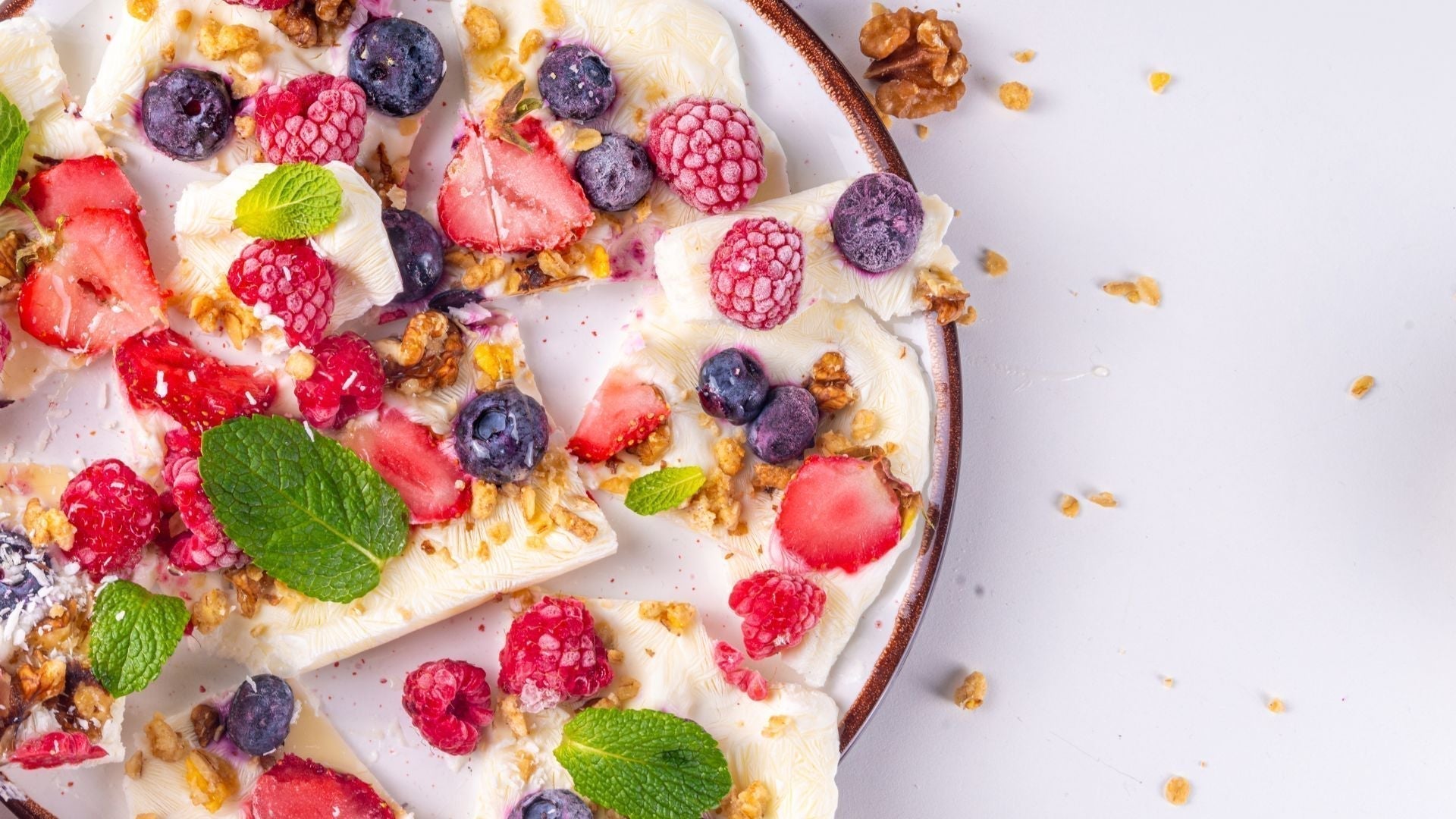
At Kurami, we believe nourishing your microbiome should be both effective and enjoyable. That is why we are sharing one of our favourite gut-friendly snacks: a simple, delicious 5-Ingredient Symbiotic Bark made with our signature coconut yoghurt.

What Are Symbiotic Foods?
Symbiotic foods contain Probiotics and Prebiotics. Probiotics are beneficial live organisms that can help support digestive health and contribute to a healthy microbial balance within the gut.
Common probiotic-rich foods include:
-
Coconut yoghurt.
-
Traditional yoghurt.
-
Kefir.
-
Kimchi.
-
Sauerkraut.
-
Miso.
-
Tempeh.
Prebiotics are non-digestible fibres and plant compounds that serve as food for beneficial gut bacteria.
Common prebiotic foods include:
-
Mango.
-
Bananas.
-
Garlic.
-
Onions.
-
Asparagus.
-
Oats.
-
Chicory root.
When probiotics and prebiotics are consumed together, they may work synergistically to support microbial diversity and digestive wellbeing.
Benefits of Including Symbiotic Foods in Your Diet.
1. Supports Gut Microbiome Diversity.
A diverse microbiome is often associated with greater resilience and overall digestive health. Symbiotic foods help introduce beneficial bacteria while providing nourishment for existing microbial communities.
2. May Improve Digestive Comfort.
Many people incorporate probiotic and prebiotic foods into their diets to support regular digestion and help maintain a healthy gut environment.
3. Encourages Gut Health Nourishment.
While probiotics alone can be beneficial, combining them with prebiotic-rich foods may help support their survival and activity within the digestive system.
5-Ingredient Symbiotic Bark Recipe.
Ingredients (Serves 6)
-
200g Natural yoghurt of your choice (ours is made with Kurami signature
coconut yoghurt - KuYo). -
50g dark chocolate.
-
15g agave syrup.
-
20g macadamia nuts.
-
60g mango, thinly sliced.
Method.
-
Melt the dark chocolate in a pot over low heat, stirring continuously.
-
Let the chocolate cool, then combine the yoghurt, agave syrup, and melted chocolate in a bowl and mix until smooth.
-
Line a baking tray or freezer-safe container with parchment paper.
-
Pour the mixture into the tray and spread evenly.
-
Crush the macadamia nuts and sprinkle over the surface.
-
Arrange thin slices of mango on top.
-
Freeze for at least 2 hours, or until completely set.
-
Remove from the freezer, peel away the parchment paper, and break into bark-sized pieces.
Serve immediately and enjoy.
Tips for Maximising the Gut-Friendly Benefits.
To make the most of this recipe:
-
Choose a yoghurt containing live active cultures.
-
Use ripe mango for natural sweetness and fibre.
-
Avoid overheating probiotic-rich ingredients.
-
Enjoy alongside a varied, plant-rich diet that supports microbial diversity.
Looking for more ways to support your microbiome naturally? Explore Kurami's range of gut-loving products and discover how small daily habits can contribute to a healthier, happier gut.
FAQS.
What are symbiotic foods?
Symbiotic foods combine probiotics and prebiotics to support a healthy gut microbiome. Probiotics are beneficial live microorganisms, while prebiotics provide the nutrients they need to thrive. Together, they create a synergistic relationship that may help support digestive and overall wellbeing.
What is the difference between probiotics, prebiotics, and symbiotics?
Probiotics are beneficial bacteria that contribute to gut health. Prebiotics are fibres and plant compounds that feed these bacteria. Symbiotics combine both probiotics and prebiotics, helping beneficial microbes survive and flourish within the digestive system.
How long does Symbiotic Bark last in the freezer?
When stored in an airtight container, Symbiotic Bark can be kept in the freezer for up to one month. For the best texture and flavour, enjoy it within the first two weeks.
How can I support my gut health naturally?
Supporting gut health starts with a diverse, plant-rich diet that includes fibre-rich foods, fermented foods, adequate hydration, regular movement, quality sleep, and stress management. Incorporating symbiotic foods can be a simple and delicious part of that routine.
How can Kurami support my gut health journey?
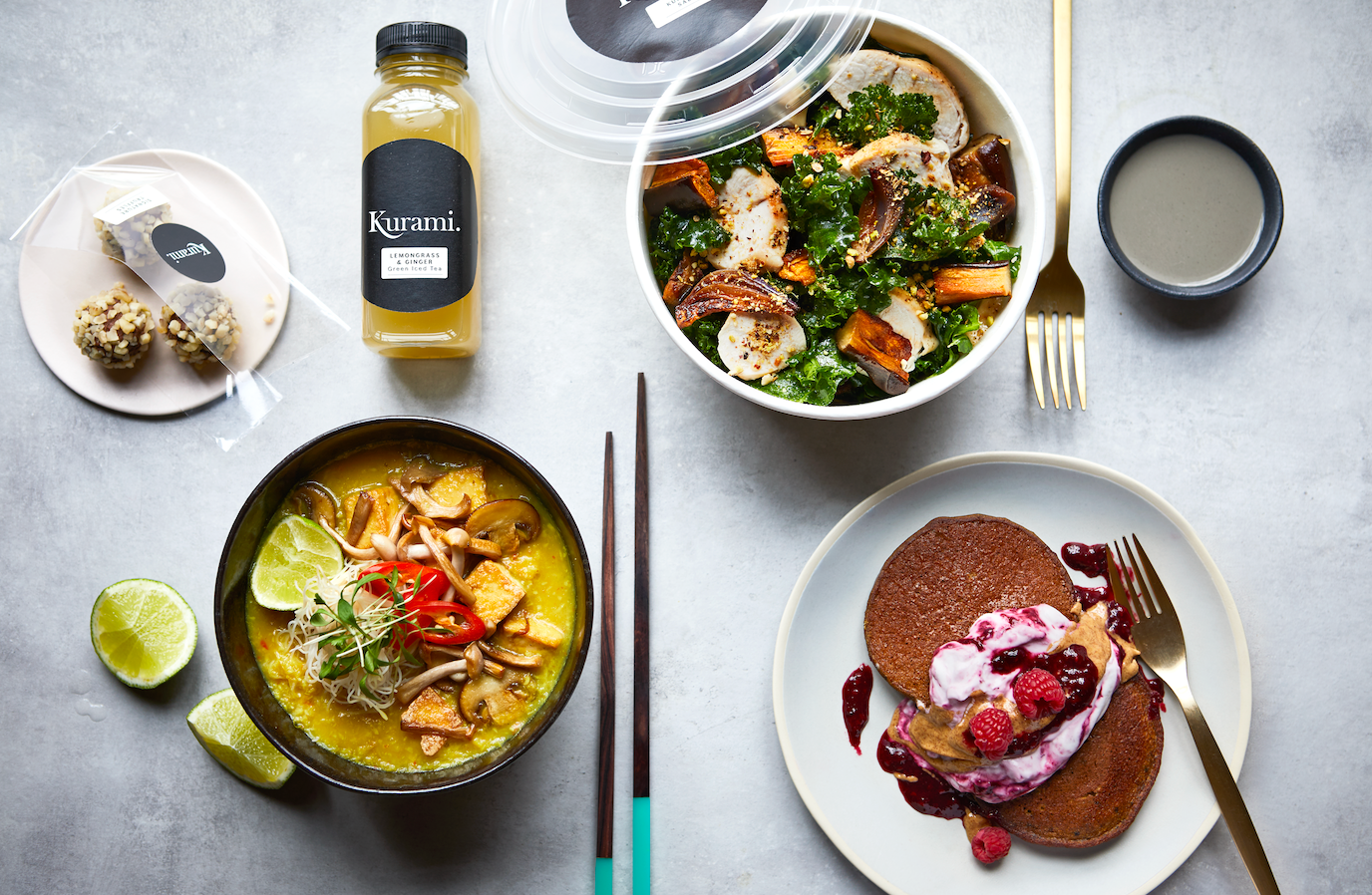
Kurami is a meal delivery service with a unique focus on supporting gut health through food. Every meal is freshly prepared from scratch by our Chef and Nutritionist, who work together to create dishes that are as delicious as they are nourishing. Built around the principles of gut-friendly nutrition, our menus champion fibre-rich ingredients, a diverse range of plants, naturally fermented foods and synbiotic combinations that help support a healthy gut microbiome.
The result is nutritionally balanced, flavour-packed meals designed to nourish your body from the inside out, delivered straight to your home or office.