
By Camilla Pigozzi Garofalo
This month, Innocent launched a range of dessert-inspired smoothies: Strawberry Cupcake, Blueberry Muffin-ish, Lemon Pie. Around the same time, Pepsi announced new ice cream cola flavours, including Raspberry Ripple and Salted Caramel.
Different brands, different products, but remarkably similar language around them. Small pleasures. Me-moments. Everyday treats. Tiny rituals of comfort folded into ordinary life.
It is easy to dismiss “little treat culture” as simply another internet phrase, or another example of brands repackaging indulgence in softer language. But I think it reflects something more interesting than that. Not just how we eat, but what eating is increasingly being asked to do for us emotionally and socially.
The conversation around little treats is usually framed as a spending trend: the pastry bought on the way to work, the iced coffee after a difficult meeting, the matcha latte carried through the city between appointments. But anthropologically, treats have rarely been only about the food itself. Across cultures, they have often functioned as markers of care, hospitality, rhythm, reward, pause, generosity, or social connection. Historically, many of those moments were shared.
In Italy, an espresso at the counter is often less about caffeine than interruption and sociability, a brief pause taken alongside other people. In Korea, many food rituals are built around care expressed through sharing: pouring drinks for one another, offering side dishes, and encouraging someone to eat more. In Japan, omiyage, the tradition of bringing back regional sweets or snacks from a trip, transforms food into a gesture of remembrance and relationship maintenance.
These are all very different cultures with very different histories. But what they share is the understanding that pleasure around food is often relational. The ritual matters as much as the item itself.
Modern urban life has gradually shifted some of those experiences inward. Food has become increasingly portable, personalised, aestheticised, and optimised around convenience. Many people now eat at desks, in transit, between meetings, or alone at irregular hours. The “little treat” fits naturally into that landscape: a small sensory interruption inserted into an otherwise fragmented day.
That is not inherently negative.
I think wellness conversations can sometimes become too eager to moralise emotional eating, comfort eating, or pleasure itself, when humans have always eaten emotionally. Food has always existed alongside celebration, grief, boredom, nostalgia, stress, care, memory and reward. Expecting eating to become purely functional is neither realistic nor particularly healthy.
What interests me more is not whether emotion belongs in eating. It does. The more interesting question is what kinds of rituals modern life now creates around food, and which ones it quietly erodes.
Why modern food rituals matter.
In large cosmopolitan cities, especially, many traditional eating structures have fragmented. People live further from family, work irregular hours, move between social groups, commute longer distances, and spend more time alone. The small drink ritual, the matcha latte, the evening tea, and the carefully made hot chocolate at home can begin to function as a form of pause and self-anchoring within that environment.
That does not necessarily make the ritual meaningless because it is commercialised. Historically, cafés, tea houses, bakeries, and food markets have always existed, in part, as emotional and social infrastructure within cities. Humans continuously create rituals around food because they help create rhythm, comfort, familiarity, and transitions within daily life.
Research around longevity and eating patterns points in a similar direction. Some of the communities associated with the longest health spans are notable not only for what they eat but also for how they eat: slower meals, repeated rituals, stronger social rhythms, and a sense that eating belongs within everyday life rather than around its edges.
That does not mean every meal needs to be communal, or that a smoothie enjoyed alone is somehow failing. I do not think guilt is a useful framework for talking about food. And I certainly do not think pleasure needs nutritional justification in order to have value.
But I do think there is something quietly revealing about the language surrounding many of these products. The treat is often framed as self-soothing, self-reward, and self-care. A moment you give yourself because the wider structures of modern life are not reliably offering enough pause, softness, ritual or connection elsewhere.
And perhaps that is why these rituals resonate so strongly.
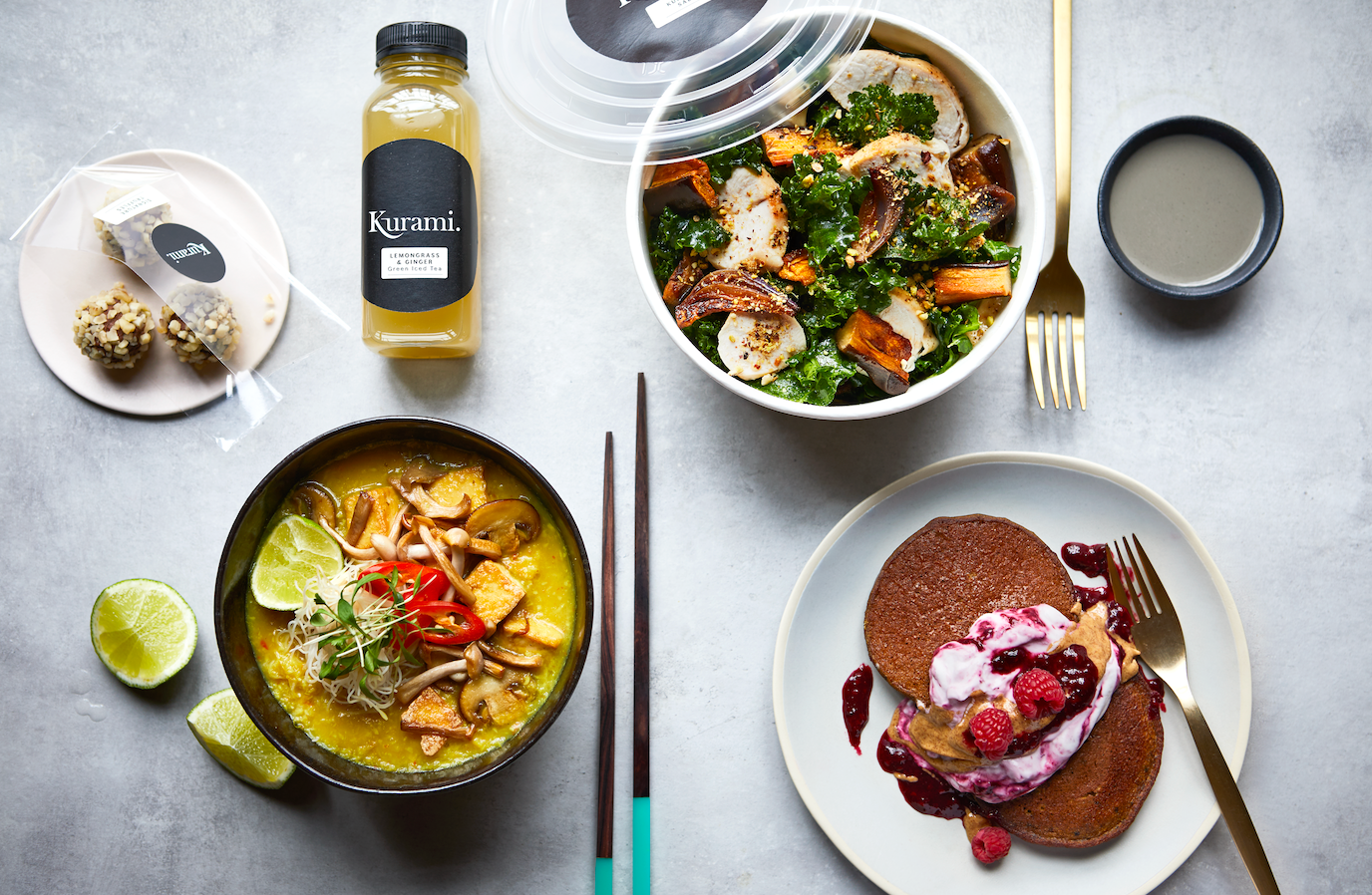
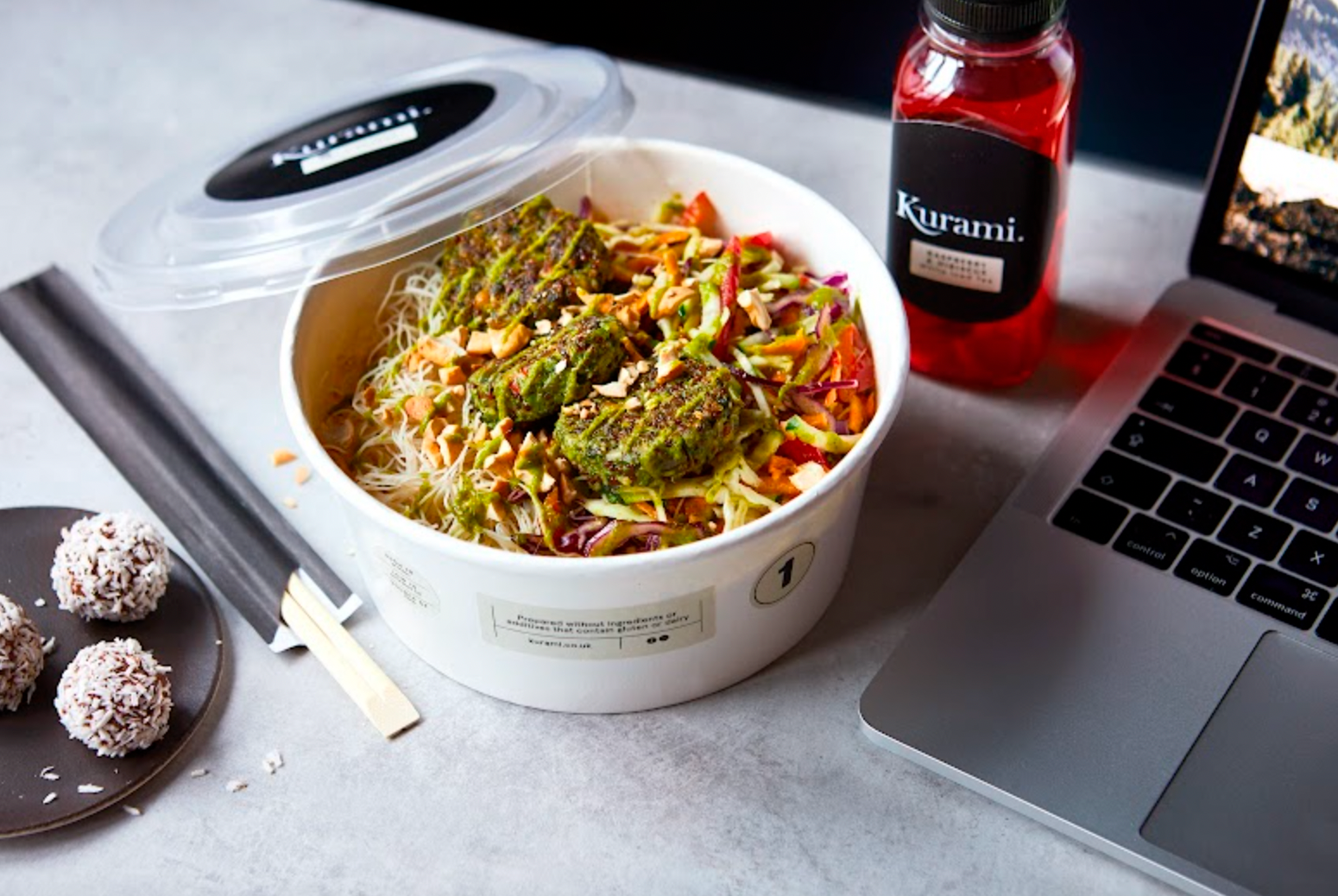
At Kurami, we think about this carefully, too. We are obviously participating in modern ritual culture ourselves, particularly through products like our Kuramylk blends. But I do not think there is anything superficial about wanting a drink that signals rest, transition, comfort or care at the end of a long day.
Not every food experience needs to be justified nutritionally to be valuable.
I also think there is an interesting tension in the way wellness culture increasingly wants treats to become functional: the brownie with added protein, the calming latte, the collagen hot chocolate, the “better-for-you” dessert. Sometimes that can create genuinely helpful and accessible ways for people to nourish themselves.
Historically, treats did not always need to optimise us. Sometimes they simply marked celebration, hospitality, rest, spirituality, seasonality, or connection.
The little treat is not frivolous. In many ways, it is deeply human. A small sensory interruption in a busy day. A ritual of pause. A reminder that pleasure still deserves space within adult life.
I suppose the question I keep coming back to is not whether people should have little treats. Of course they should. Pleasure and nourishment have never been opposites.
It is whether modern life is increasingly asking food to compensate for forms of community, slowness, ritual and togetherness that many people are struggling to access elsewhere.
That is not really a product question. It is a cultural one, and I think it is one that is worth paying attention to.
Camilla Pigozzi Garofalo studied social anthropology and the anthropology of food before founding Kurami, a gut-health meal delivery company focused on plant diversity, balanced nutrition, and sustainable ways of eating. She writes about food culture, eating rituals and the relationship between nutrition and everyday life.